Financing a major purchase requires more than comparing interest rates. Lenders evaluate credit history, income stability, debt levels, and risk indicators, while borrowers often overlook total loan cost, terms, and long-term affordability. This guide explains how lending decisions work, how to prepare effectively, and how to avoid common missteps—helping you secure financing that aligns with your financial goals.
Understanding What “Financing” Really Means
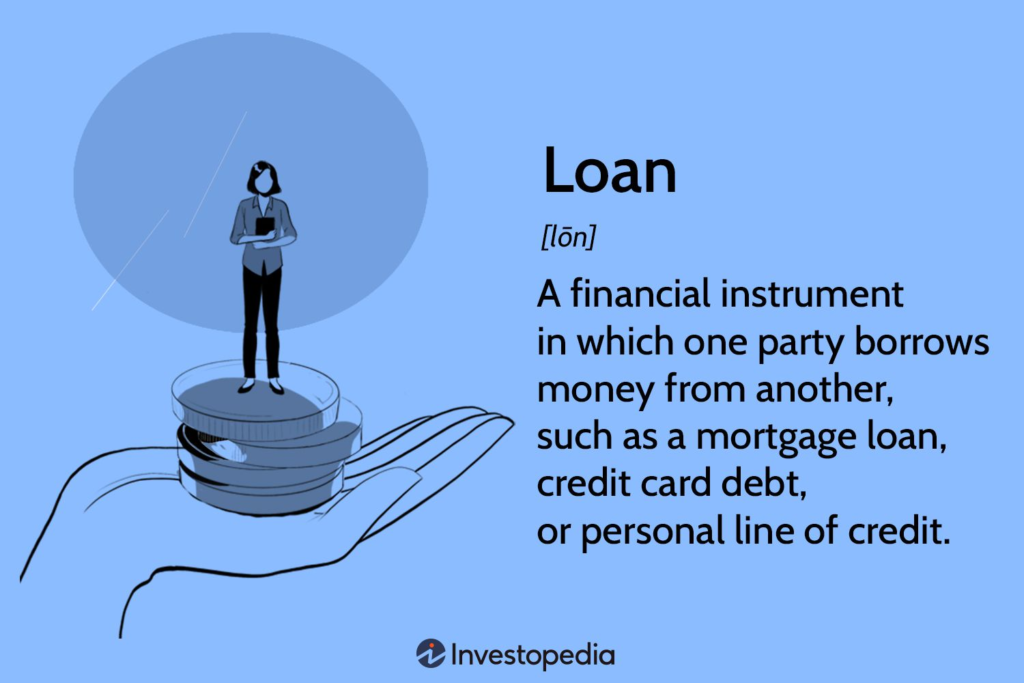
When Americans talk about financing a major purchase—whether it’s a home, vehicle, medical expense, or business investment—they’re essentially referring to borrowing money under agreed terms. But beyond the monthly payment lies a complex framework of risk assessment, pricing, and long-term financial impact.
Lenders are not simply evaluating whether you can repay—they are determining how likely you are to repay on time, consistently, and without strain. This distinction shapes everything from your approval odds to your interest rate.
According to data from the Federal Reserve, U.S. household debt exceeded $17 trillion in 2024, with mortgage, auto, and student loans representing the largest segments. This scale reflects how central financing is to everyday financial life—but also how critical it is to get it right.
What Lenders Actually Look For
While each lender has its own underwriting model, most rely on a consistent set of criteria. Understanding these factors gives you a measurable advantage before applying.
Credit Score and Credit History
Your credit score is often the first filter. It summarizes your borrowing behavior—payment history, credit utilization, account age, and credit mix.
A borrower with a score above 740 typically qualifies for the most favorable rates, while those below 620 may face higher costs or stricter terms. However, lenders also review the full credit report, not just the score.
They look for patterns:
- Late or missed payments
- High revolving balances
- Recent hard inquiries
- Collections or charge-offs
A strong score with inconsistent behavior can still raise concerns.
Debt-to-Income Ratio (DTI)
DTI measures how much of your monthly income goes toward debt obligations. Most lenders prefer a DTI below 36%, though some loan programs allow higher thresholds.
For example, if you earn $6,000 per month and pay $2,000 toward debts, your DTI is roughly 33%. That signals manageable leverage. A higher ratio suggests potential strain.
Income Stability and Employment History
Lenders favor borrowers with consistent income streams. Two years of stable employment—especially within the same industry—is often considered a positive indicator.
Self-employed borrowers may need to provide additional documentation, such as tax returns and profit-and-loss statements, to demonstrate reliability.
Down Payment or Initial Contribution
For large purchases like homes or vehicles, your upfront contribution reduces the lender’s risk. A higher down payment often leads to:
- Lower interest rates
- Reduced monthly payments
- Better approval odds
For instance, putting 20% down on a home can eliminate private mortgage insurance (PMI), lowering long-term costs.
Asset Reserves
Some lenders assess whether you have savings left after closing. This “reserve cushion” reassures them that you can handle unexpected expenses without defaulting.
What Borrowers Often Miss
While borrowers tend to focus on approval and monthly payments, several critical factors are frequently overlooked.
The True Cost of the Loan
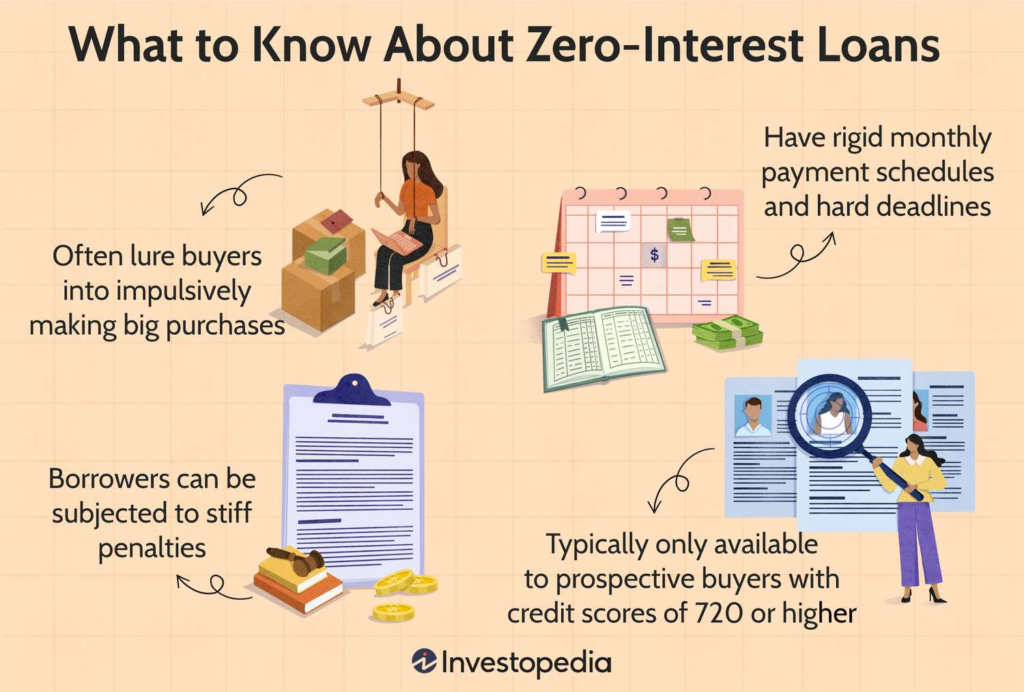
A low monthly payment can be misleading if it comes with a longer term or higher interest rate. Extending a loan from 5 to 7 years, for example, may reduce payments but significantly increase total interest paid.
Interest Rate vs. APR
Many borrowers confuse interest rate with Annual Percentage Rate (APR). The APR includes fees and additional costs, offering a more complete picture of what you’re paying.
Ignoring APR can lead to choosing a loan that appears cheaper but costs more over time.
Loan Terms and Flexibility
Not all loans are equally flexible. Some include:
- Prepayment penalties
- Adjustable rates
- Balloon payments
These features can impact your financial stability later, even if the initial terms seem attractive.
The Impact on Future Borrowing
Taking on a large loan affects your credit profile and borrowing capacity. A high debt load today may limit your ability to finance future needs, such as refinancing or taking out additional credit.
Emotional Decision-Making
Major purchases are often tied to life events—buying a home, upgrading a car, funding education. Emotional urgency can lead to rushed decisions without full evaluation of terms.
How to Prepare Before Applying
Preparation is where borrowers can significantly improve outcomes. A few strategic steps can lead to better rates and terms.
Start by reviewing your credit report from all three major bureaus. Correct any errors and pay down high balances where possible. Even a small improvement in your credit score can translate into meaningful savings over time.
Next, calculate your realistic budget—not just what a lender might approve. Consider ongoing expenses, savings goals, and financial flexibility.
It’s also wise to compare multiple lenders. Rates and terms can vary widely between banks, credit unions, and online lenders. Shopping around within a short window typically counts as a single inquiry for credit scoring purposes.
Comparing Financing Options
Different purchases call for different financing strategies. Understanding your options helps you choose the most appropriate structure.
Common Financing Types
- Traditional bank loans: Often competitive rates for strong borrowers
- Credit unions: Typically lower fees and more personalized service
- Dealer or vendor financing: Convenient but sometimes higher cost
- Online lenders: Fast approvals with varying terms
For example, auto financing through a dealership may offer promotional rates, but independent lenders sometimes provide better overall terms when fees are included.
Real-World Example: Financing a Vehicle
Consider two borrowers purchasing a $35,000 vehicle.
Borrower A focuses on monthly payment and accepts a 7-year loan at 7.5%.
Borrower B compares offers and chooses a 5-year loan at 5.9%.
While Borrower A pays less monthly, they end up paying several thousand dollars more in total interest. Borrower B pays more upfront each month but saves significantly over time.
This illustrates a common oversight: optimizing for short-term affordability rather than total cost.
Questions Many Borrowers Ask
How much should I put down?
A larger down payment reduces risk and cost, but it should not deplete your emergency savings. A balanced approach—often 10–20%—works well for many borrowers.
Should I get pre-approved?
Yes. Pre-approval clarifies your budget, strengthens your negotiating position, and helps you identify potential issues early.
Is it better to choose a shorter loan term?
In most cases, yes—if you can comfortably afford the payments. Shorter terms usually mean lower interest costs and faster equity building.
Common Mistakes to Avoid
- Focusing only on monthly payments
- Ignoring total loan cost
- Skipping comparison shopping
- Overestimating future income growth
- Taking on maximum approved debt
These mistakes are not uncommon, even among financially experienced borrowers. Awareness is often the first step toward avoiding them.
Frequently Asked Questions
1. What credit score is needed for favorable financing?
Generally, a score above 700 improves your chances, while 740+ often secures the best rates.
2. How does DTI affect loan approval?
Higher DTI signals risk. Most lenders prefer ratios below 36–43%, depending on the loan type.
3. Can I negotiate loan terms?
Yes. Interest rates, fees, and even repayment structures can sometimes be negotiated.
4. How many lenders should I compare?
At least three to five to get a realistic sense of market rates.
5. Does pre-approval impact my credit score?
It may cause a small temporary dip, but multiple inquiries within a short period are usually grouped.
6. Should I choose fixed or variable rates?
Fixed rates offer stability; variable rates may start lower but carry uncertainty.
7. What’s the difference between secured and unsecured loans?
Secured loans require collateral (like a car or home), while unsecured loans rely on creditworthiness.
8. How important is employment history?
Very important—stable employment signals reliable income.
9. Can I refinance later?
Yes, especially if your credit improves or rates decline.
10. What’s the biggest mistake borrowers make?
Underestimating the long-term cost of financing.
A More Informed Way to Borrow
Financing a major purchase is not just a transaction—it’s a long-term financial commitment that shapes your flexibility, risk exposure, and future opportunities. The most successful borrowers approach the process with clarity, preparation, and a willingness to look beyond surface-level metrics.
Understanding how lenders think—and where borrowers often fall short—can shift the outcome significantly. Instead of reacting to offers, you position yourself to evaluate them critically and choose what truly aligns with your financial priorities.
Key Insights at a Glance
- Lenders evaluate risk using credit, income, and debt metrics
- APR provides a more complete cost picture than interest rate alone
- Loan term length significantly impacts total cost
- Preparation improves both approval odds and loan terms
- Emotional decisions can lead to costly financing choices