Financing major life goals requires more than choosing a loan—it demands careful planning, realistic budgeting, and a clear understanding of long-term tradeoffs. This guide explains how Americans can approach financing for homes, education, and other milestones with confidence, covering credit, interest rates, loan types, and practical strategies to reduce risk, control costs, and make informed financial decisions.
Why Financing Big Life Goals Requires a Strategic Approach
Financing decisions shape financial stability for years—sometimes decades. Whether you’re buying your first home, paying for college, or funding a career shift, the structure of your financing matters as much as the goal itself.
In the United States, household debt reached over $17 trillion in recent years, according to data from the Federal Reserve. Much of that debt is tied to mortgages, student loans, and auto financing—three categories closely linked to life milestones. The key takeaway: financing is not just about access to money, but about sustainability over time.
A thoughtful financing plan considers not only what you can afford today, but how repayments will affect your future flexibility—your ability to save, invest, or respond to unexpected expenses.
Understanding the Core Principles of Financing
Before committing to any major financial decision, it helps to understand a few foundational concepts that apply across all types of financing.
Interest rates determine the cost of borrowing. Even a small difference—say 1%—can translate into thousands of dollars over the life of a loan. Fixed rates provide stability, while variable rates may start lower but introduce uncertainty.
Credit scores play a central role in determining both eligibility and loan terms. In the U.S., a higher score (typically above 700) often results in lower interest rates and better conditions. Improving your credit before applying can meaningfully reduce long-term costs.
Loan terms affect both monthly payments and total interest paid. A longer term reduces monthly burden but increases overall cost. A shorter term does the opposite.
Down payments, particularly for homes or vehicles, reduce the amount borrowed and can eliminate additional costs such as private mortgage insurance (PMI).

Financing a First Home: What Buyers Should Know
For many Americans, buying a home is the largest financial decision they will ever make. Understanding your options can prevent costly mistakes.
Mortgage types vary significantly. Conventional loans typically require higher credit scores and down payments, while government-backed loans—such as FHA, VA, or USDA—offer more flexible requirements.
A practical example:
A first-time buyer in Ohio earning $75,000 annually might qualify for a $300,000 mortgage with a 5% down payment. However, without careful budgeting, property taxes, insurance, and maintenance could push monthly housing costs beyond a sustainable level.
When preparing to finance a home, consider:
- Total monthly housing cost (not just mortgage)
- Stability of income over the next 5–10 years
- Emergency savings after the down payment
- Local market conditions and interest rate trends
Many financial advisors recommend keeping total housing costs below 28–30% of gross monthly income.
Paying for Higher Education Without Overextending
Education remains one of the most common reasons Americans take on debt. As of recent estimates, total student loan debt in the U.S. exceeds $1.7 trillion.
The challenge is balancing the long-term value of education with the cost of financing it.
Federal student loans typically offer more flexible repayment options and borrower protections compared to private loans. Income-driven repayment plans, for instance, adjust monthly payments based on earnings.
Consider this example:
A student borrows $40,000 at a 5% interest rate. On a standard 10-year repayment plan, monthly payments would be around $424. Extending the term lowers monthly payments but increases total interest paid.
Before borrowing, evaluate:
- Expected starting salary in your field
- Total projected loan balance at graduation
- Availability of grants, scholarships, or work-study programs
- The return on investment (ROI) of your chosen degree
In many cases, attending an in-state public university or completing general education requirements at a community college can significantly reduce costs.
Financing Other Major Life Goals
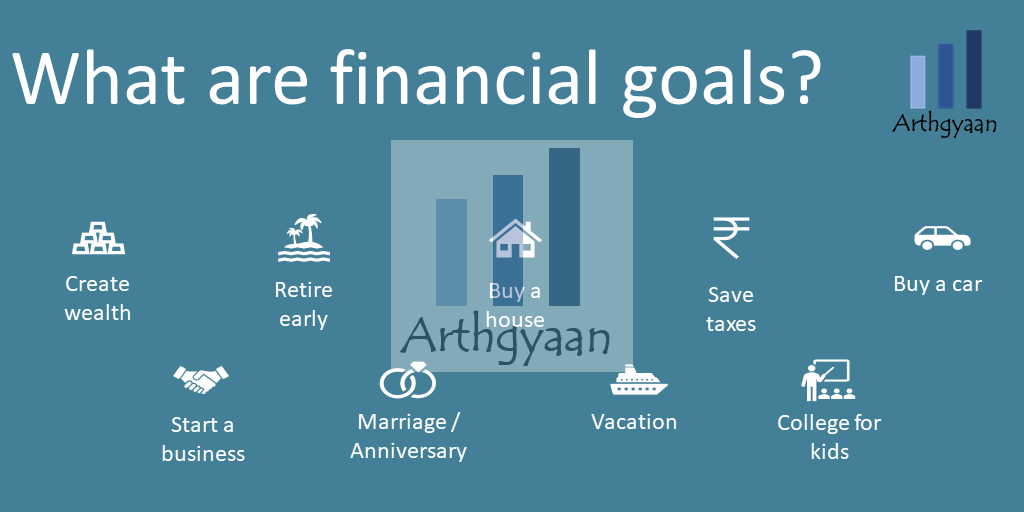
Not all big goals fall neatly into mortgages or education loans. Americans often finance:
- Career transitions or certifications
- Starting a small business
- Major relocations
- Medical expenses not covered by insurance
Each scenario requires a slightly different approach.
For example, financing a business startup may involve a mix of personal savings, small business loans, and possibly investors. Unlike a mortgage, business financing carries higher risk and less predictable returns.
Medical financing, on the other hand, may include payment plans offered directly by providers, often with lower or no interest if paid within a set timeframe.
The key is matching the financing method to the nature and risk level of the goal.
How to Evaluate Loan Options Effectively
Comparing loans goes beyond looking at interest rates. The annual percentage rate (APR) provides a more complete picture, as it includes fees and additional costs.
Transparency matters. Reputable lenders provide clear disclosures about:
- Total repayment amount
- Prepayment penalties (if any)
- Late payment fees
- Flexibility in hardship situations
A common mistake is focusing only on monthly affordability. A loan with low monthly payments may carry significantly higher total costs over time.
Building a Financing Plan That Works Long-Term
A strong financing strategy integrates with your broader financial plan.
Start by mapping out your income, expenses, and savings goals. Then consider how a new financial obligation will affect your ability to:
- Build an emergency fund (3–6 months of expenses)
- Contribute to retirement accounts
- Manage unexpected financial shocks
For instance, a household earning $90,000 annually might comfortably manage a $1,800 monthly mortgage—but if that leaves little room for savings, the long-term risk increases.
Financial planners often emphasize resilience over maximization—choosing a slightly more conservative option to maintain flexibility.
Common Mistakes to Avoid
Even financially literate borrowers can make avoidable errors when financing major goals.
Some of the most frequent include:
- Borrowing the maximum amount approved rather than what is sustainable
- Ignoring variable interest rate risks
- Underestimating total costs beyond principal and interest
- Delaying credit improvement before applying
- Failing to compare multiple lenders
These mistakes often stem from focusing on short-term access rather than long-term impact.
Frequently Asked Questions
1. How much debt is considered manageable in the U.S.?
A common guideline is keeping total debt payments below 36% of gross monthly income, though this varies by situation.
2. Should I prioritize saving or paying off debt first?
Ideally both—maintain a basic emergency fund while paying down high-interest debt.
3. Is it better to choose a fixed or variable interest rate?
Fixed rates offer stability, while variable rates may be lower initially but carry risk over time.
4. How important is a credit score when financing big goals?
Very important—it directly affects interest rates, loan approval, and terms.
5. Can refinancing help reduce costs?
Yes, especially if interest rates drop or your credit improves, but fees should be considered.
6. What’s the safest way to finance education?
Start with federal loans, minimize borrowing, and explore grants and scholarships first.
7. How much should I put down on a home?
While 20% avoids PMI, many buyers use 3–10% depending on loan type.
8. Are longer loan terms always better for affordability?
They lower monthly payments but increase total interest paid.
9. How do I compare lenders effectively?
Look at APR, fees, flexibility, and reputation—not just interest rates.
10. What’s the biggest risk in financing major life goals?
Overextending financially and limiting future flexibility.
A Framework for Financing Decisions That Age Well
Financing big life goals is less about finding the perfect loan and more about building a decision framework that holds up over time. Economic conditions change, personal circumstances evolve, and financial priorities shift.
The most effective approach is grounded in realism: understanding your limits, planning for uncertainty, and prioritizing long-term stability over short-term convenience. When financing aligns with your broader financial goals, it becomes a tool—not a burden.
Key Insights at a Glance
- Financing decisions should balance affordability today with flexibility tomorrow
- Interest rates, loan terms, and credit scores significantly impact total cost
- Home and education financing require careful evaluation of long-term ROI
- Comparing lenders and understanding APR prevents hidden costs
- Conservative planning reduces financial risk over time