Let’s be honest. The word “budget” often conjures feelings of restriction, complexity, and frustration. You might picture a complicated spreadsheet, the guilt of an unplanned purchase, or the sheer boredom of tracking every single coffee. You’ve probably tried before, only to have your best intentions fizzle out after a few weeks. You’re not alone. A 2023 CNBC survey found that nearly 70% of Americans feel stressed about their finances, yet only about one-third actually maintain a detailed budget.
Why does this happen? Most budgeting advice fails because it focuses solely on the mechanics—the math—while ignoring the most critical component: you. Your habits, your psychology, and your unique life circumstances.
This article is different. We’re not just going to show you how to create a budget. We’re going to show you how to create a budget that sticks—one that feels less like a financial straitjacket and more like a GPS for your money, guiding you toward your dreams. We will move beyond basic spreadsheets and dive into the behavioral strategies that make budgeting sustainable. Whether you’re living paycheck-to-paycheck, dealing with debt, or simply wanting to optimize your finances for major goals like a home, family, or retirement, this guide is your blueprint.
Why Do Most Budgets Fail? Understanding the Psychology Behind Budgeting
Before we build a successful budget, we must understand why others fail. It’s rarely about the numbers. The failure is almost always psychological. Recognizing these common pitfalls is the first step toward avoiding them.
- The Deprivation Mindset: Traditional budgets feel like a long list of “thou shalt nots.” This triggers a psychological phenomenon known as reactance, where we inherently want what we are told we can’t have. This leads to binge-spending and the eventual abandonment of the entire plan. A budget that only says “no” is a budget destined for the digital trash can.
- Lack of Flexibility: Life is beautifully, maddeningly unpredictable. A flat tire, a sudden medical bill, an unexpected wedding invitation—these things happen. A rigid, overly strict budget that shatters at the first unexpected expense makes you feel like a failure, prompting you to give up entirely out of frustration.
- Over-Complication: If your budget requires 35 distinct spending categories and an hour of daily data entry, it’s not a sustainable system. Friction is the enemy of habit formation. The more complex the process, the less likely you are to stick with it long-term.
- No Connection to “Why”: Tracking numbers for the sake of tracking is boring and feels pointless. When your budget isn’t powerfully linked to a compelling, emotional future goal—like buying your first home, achieving financial independence, or securing your family’s future—you lose motivation. The “what” without the “why” is a surefire path to abandonment.
The secret to a budget that truly works is designing it to work with your human nature, not against it. It should be a flexible, empowering tool, not a punitive warden.
The Foundational Step: Calculating Your Net Income and Expenses
You can’t tell your money where to go if you don’t know where it is and where it’s been. This first step is about gathering intel, without judgment or self-criticism. It’s a fact-finding mission.
How Much Money Do You Actually Have to Budget?
The most critical number for your budget is your net income. This is your take-home pay after taxes, health insurance premiums, and retirement contributions (like a 401(k)) are deducted. If you have a side hustle, freelance work, or any other source of income, include that net income (after business expenses) as well. Your gross salary is a vanity metric; your net income is the reality you live on.
Real-Life Example: Maria is a graphic designer. Her gross salary is $65,000, but her monthly net pay after taxes, health insurance, and a 5% 401(k) contribution is $3,800. She also freelances, bringing in an average of $500 net per month. Her total monthly net income for budgeting is $4,300. This is the number she will use to build her budget.
Where Is Your Money Going Now? The Non-Negotiable Tracking Imperative
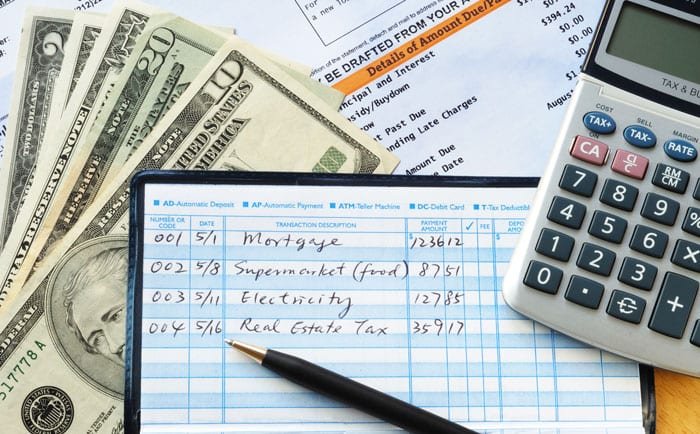
For one full month, I challenge you to track every single dollar you spend. Yes, every single dollar, from your mortgage payment to that $1.50 vending machine soda. You can do this with a pocket notebook, a notes app on your phone, or by diligently reviewing your bank and credit card statements at the end of each day. The goal here is pure awareness, not perfection or punishment.
The 3 Most Common and Effective Tracking Methods:
- The Digital Method (Easiest): Use a budgeting app like Mint, YNAB (You Need A Budget), or PocketGuard that automatically syncs with your financial accounts. This is the lowest-effort method, but it requires a level of comfort with sharing your financial data with a secure third-party platform.
- The Manual Spreadsheet (Most Control): For those who love detail and customization. Create a simple Google Sheet or Excel file with columns for Date, Vendor, Amount, and Category. Input your expenses daily. This hands-on approach often makes the numbers feel more real.
- The Old-School Notebook (Most Mindful): Carry a small notebook and jot down every transaction immediately. The physical act of writing can significantly heighten your awareness of spending habits and make you more conscious of where your money is going.
At the end of the month, categorize your spending. Common categories include: Housing (Rent/Mortgage), Utilities (Electric, Water, Gas, Internet), Groceries, Dining Out, Transportation (Gas, Public Transit, Car Payment), Insurance (Car, Renter’s), Debt Payments (Credit Cards, Student Loans), Healthcare, Entertainment, and Personal Care.
Choosing Your Budgeting Framework: One Size Does Not Fit All
This is where we give your money a job description. Different personalities, lifestyles, and financial situations call for different budgeting styles. Trying to force yourself into the wrong system is a recipe for failure. Here are the three most effective and popular frameworks used by millions.
The 50/30/20 Budget: The Gold Standard for Simplicity and Balance
Popularized by Senator Elizabeth Warren in her book All Your Worth, the 50/30/20 rule is a fantastic, stress-free starting point for most people. It divides your net income into three simple, intuitive buckets, providing a macro-level view of your finances without getting bogged down in dozens of micro-categories.
- 50% to Needs: These are the essentials you must pay to live and function. This includes rent/mortgage, utilities, groceries, basic transportation (car payment, gas, bus fare), minimum debt payments, and essential insurance (health, car, renter’s). A “need” is something you would still have to pay for if you lost your job.
- 30% to Wants: This is your lifestyle fund. It includes all non-essential spending that enhances your life. This includes dining out, hobbies, entertainment (streaming services, movies), travel, subscription boxes, and new clothes that aren’t essentials. This category is what makes a budget sustainable—it gives you permission to enjoy your money.
- 20% to Savings and Debt Repayment: This is your future financial security. It includes building an emergency fund, contributing to retirement investments (beyond any employer-match), and making extra payments on high-interest debt (like credit cards). This category is non-negotiable for building wealth.
Real-Life Example: Let’s go back to Maria with her $4,300 net monthly income.
- Needs (50%): $2,150. Her rent, utilities, groceries, and car payment total $2,000. This leaves a small $150 buffer for any fluctuations in utility bills.
- Wants (30%): $1,290. She consciously allocates $400 for dining and socializing, $200 for her painting hobby, and the remaining $690 for other discretionary spending like clothing and entertainment.
- Savings/Debt (20%): $860. She automatically transfers $500 into her high-yield savings account for her emergency fund and sends an extra $360 toward her student loans to pay them off years early.
This framework is excellent for providing a balanced, big-picture view and is incredibly easy to maintain.
The Zero-Based Budget (ZBB): For Maximum Control and Detail
Made famous by personal finance expert Dave Ramsey, this method gives every single dollar a specific job until your income minus your expenses equals zero. It’s crucial to understand that “zero” does not mean having zero dollars in your bank account; it means being intentionally deliberate with every dollar you earn.
- How it works: You start with your net income and subtract all your planned expenses, savings contributions, and debt payments until you reach zero. If you have $100 left over after allocating all your funds, you don’t just let it sit idly—you assign it a job, such as “Extra Debt Payment,” “Vacation Fund,” or “Investment Account.”
- Best for: People who want granular control over their finances, those who are paying off significant debt using the “debt snowball” method, or anyone who has consistently struggled with overshooting their spending limits in the past.
The Envelope System (Cash Stuffing): The Tangible Spending Limit
This is the physical, tactile version of Zero-Based Budgeting. You allocate cash for your different variable spending categories into physical envelopes. Once the “Dining Out” envelope is empty, you stop eating out for the month. This method is psychologically powerful because it makes spending feel real—swiping a debit or credit card is abstract, but handing over physical cash is a tangible, conscious act.
- Modern Twist: Many people now use digital “envelope” apps like Goodbudget to achieve the same psychological effect without the need to carry large amounts of cash. The principle remains the same: you cannot spend more than what is allocated to a specific digital envelope.
A Step-by-Step Action Plan to Build Your First Budget
Let’s synthesize everything we’ve learned into a concrete, step-by-step plan you can start implementing today.
Step 1: Gather Your Tools. Collect your last three months of bank statements, pay stubs, and recurring bills. Choose your tracking tool (app or spreadsheet) and decide on your primary budgeting framework (for beginners, we highly recommend starting with the 50/30/20 rule).
Step 2: Calculate Your Monthly Net Income. As we did with Maria, determine the consistent take-home pay you receive each month from all sources. If your income is variable, calculate a conservative 3-month average.
Step 3: List and Categorize Your Expenses. Using your month of diligent tracking, list all your fixed expenses (same amount every month, like rent and car payments) and variable expenses (fluctuating amounts, like groceries, gas, and entertainment).
Step 4: Assign Your Dollars Using Your Chosen Framework. Plug your numbers into the 50/30/20 rule. How does your current spending fit? If your “Needs” are currently at 60%, you have a clear visual signal that you need to either increase your income or find ways to reduce your fixed costs. This is not a failure; it’s invaluable data.
Step 5: Plan for Irregular and Annual Expenses. This is the budget-killer most people miss. Make a list of all non-monthly costs—like car insurance (every 6 months), holiday gifts (once a year), property taxes (annually), or vet check-ups. Take the annual total of each expense and divide it by 12. Set aside that amount each month in a separate savings sub-account. This is called a “sinking fund,” and it is the key to avoiding budget-busting surprises.
Step 6: Automate Everything You Can. Set up automatic transfers to your savings, investment, and sinking fund accounts to occur right after you get paid. This harnesses the powerful “pay yourself first” principle, making saving effortless and ensuring your financial goals are prioritized before you have a chance to spend the money elsewhere.
Step 7: Schedule a Weekly “Money Date.” Budgets are not “set and forget.” They are living documents. Spend just 15-20 minutes each week—with a cup of coffee on a Sunday evening, for example—reviewing your spending from the past week, comparing it to your plan, and adjusting categories as needed. This tiny time investment prevents small surprises from snowballing into major budget crises.
Advanced Strategies: Making Your Budget Bulletproof and Adaptive
A basic budget is good. A resilient, adaptive budget is truly life-changing. These advanced strategies address common real-world challenges.
How to Handle a Fluctuating, Irregular Income
If you’re a freelancer, contractor, real estate agent, or work on commission, budgeting can feel like trying to hit a moving target. The solution is the “Feast or Famine” method, which creates artificial consistency.
- Step 1: Calculate Your Baseline. Determine your absolute minimum monthly expenses for needs and essential savings. This is your survival number.
- Step 2: Create an “Income Holding Account.” Deposit all your irregular income—every check, every payment—into this separate savings account.
- Step 3: Pay Yourself a Consistent “Salary.” On the first of every month, transfer only your baseline amount from your holding account to your main checking account. This creates a consistent, predictable cash flow that your budget can be built around.
- Step 4: Manage the Surplus. In high-income months, the surplus accumulates in your holding account. This money is not for spending; it’s a buffer to cover your consistent salary during low-income months, effectively smoothing out the natural peaks and valleys of your earnings.
The Transformative Power of Sinking Funds
A sinking fund is a strategic way to save for a known, future expense by setting aside a little money each month. It’s the ultimate tool for preventing large, irregular expenses from derailing your financial progress.
- Examples of Sinking Funds: Car repairs/maintenance, holiday gifts, annual insurance premiums, family vacations, veterinary care, new appliance fund, back-to-school shopping, and property taxes.
- How to Implement: Open a separate high-yield savings account and create sub-accounts for each specific goal (many online banks like Ally and Capital One 360 offer this feature for free). Then, automate a monthly transfer from your checking account into each sub-account. When the car needs new tires, the money is waiting, and your monthly budget remains intact.
Behavioral Hacks for Sticking to Your Budget
The best budget in the world is useless if you can’t follow it. These psychological tricks can help you stay on track.
- Use Cash for Your Problem Categories: If you consistently overspend on dining out or entertainment, switch to a cash-only system for just that category for two months. The physical limit of a finite amount of cash is a powerful tool to retrain your brain and spending habits.
- Implement a 24-Hour “Cooling Off” Period: For any non-essential purchase over a set amount (e.g., $75 or $100), force yourself to wait 24 hours before buying it. You’d be surprised how often the initial urge to buy passes, saving you from impulse purchases you later regret.
- Name Your Savings Accounts: Instead of generic labels like “Savings Account #2,” give your accounts motivational names like “European Adventure Fund,” “Down Payment Dream,” or “Freedom from Student Loans.” This creates a powerful emotional connection to your goals and makes the act of saving feel like a rewarding step toward a dream, not a punishment.
Frequently Asked Questions (FAQs)
1. What is the simplest budget for a complete beginner?
The 50/30/20 budget is, without a doubt, the simplest for beginners. It only requires you to categorize your spending into three simple buckets (Needs, Wants, Savings/Debt), making it incredibly easy to understand and implement without getting overwhelmed by minute details. It provides a fantastic foundation you can build upon later.
2. How much should a single person realistically spend on groceries?
According to the U.S. Department of Agriculture’s latest “Cost of Food” report (published in 2023), a thrifty monthly grocery plan for a single adult (aged 19-50) ranges from $250 to $300, while a moderate-cost plan is between $300 and $400. This varies significantly by location and dietary preferences. The best approach is to track your own spending for 2-3 months to establish a personal, realistic average that works for your lifestyle and area.
3. What’s the absolute best way to budget with a variable income?
The “Feast or Famine” method, outlined in the advanced strategies section, is the most effective. It involves calculating your baseline living expenses, depositing all income into a separate holding account, and then paying yourself a consistent, predetermined “salary” from that account. This creates stability and predictability out of chaos.
4. How can I possibly save money when I’m living paycheck to paycheck?
Start with a “bare-bones” budget. Strip your expenses down to only absolute essentials for one month. Scrutinize every outflow. Can you temporarily cancel a subscription? Reduce your cell phone plan? Use public transit more? Any amount you can free up, even $10 per week, should be used to start a mini-emergency fund of just $500. This small buffer can prevent you from going into high-interest debt when an unexpected cost arises, which is the first step to breaking the paycheck-to-paycheck cycle.
5. What percentage of my income should go to housing?
The traditional rule of thumb, used by many landlords and financial advisors, is to keep your housing costs (rent or mortgage, plus insurance and property taxes) below 30% of your gross (pre-tax) income. However, in high-cost-of-living areas like New York or San Francisco, this can be challenging. Use the 30% rule as a target, and aim to get as close to this figure as possible, as housing is typically the largest budget item for most people.
6. How do I stop overspending on entertainment and dining out?
First, you must allocate a realistic amount for these “wants” in your budget—setting it to zero is unrealistic and will backfire. Then, use tactical barriers: switch to a cash envelope specifically for “Fun Money,” delete food delivery apps from your phone to add friction, or institute a social spending “cooling-off” period. Additionally, planning your meals for the week can drastically reduce impulsive takeout spending driven by a lack of dinner ideas.
7. Is it better to pay off debt or save first?
This is a classic personal finance dilemma. The most pragmatic approach is often a hybrid. First, save a starter emergency fund of $1,000 to avoid falling deeper into debt from a small emergency. Then, aggressively focus on paying off high-interest debt (especially credit cards). Once that toxic debt is gone, you can split your focus between building a full 3-6 month emergency fund and attacking any remaining lower-interest debt (like student loans or a car payment).
8. What’s the actual difference between a budget and a sinking fund?
A budget is your comprehensive plan for all the money you expect to receive and spend in a given period (like a month). A sinking fund is a strategic savings category within your budget, designed for a specific, infrequent expense. It is funded by small, regular contributions over time, so the money is available when the expense occurs without disrupting your monthly cash flow.
9. How often should I check and adjust my budget?
You should do a quick check-in weekly (a 15-minute “money date”) to ensure you’re on track and to categorize recent transactions. Then, conduct a more thorough review at the end of each month to plan for the upcoming month, adjust categories based on your actual spending, and account for any changing needs. A successful budget is a living document that evolves with you.
10. Which budgeting app is truly the best?
The “best” app is highly subjective and depends on your personal style and needs.
- For Hands-Off Automation: Mint is great for automatically categorizing transactions and giving a high-level overview of your finances with minimal effort.
- For Proactive, Zero-Based Budgeting: YNAB (You Need A Budget) is the gold standard, with a powerful methodology focused on giving every dollar a job. It has a steeper learning curve and a subscription fee, but its devotees are incredibly loyal.
- For Envelope System Lovers: Goodbudget digitizes the cash envelope method effectively, allowing you to manage your categories without carrying physical cash.
Conclusion: Your Budget, Your Path to Financial Freedom
Creating a personal budget that actually works is not an exercise in accounting; it is a profound act of self-determination. It’s about moving from a place of financial anxiety, reaction, and confusion to a place of confidence, control, and clarity. The initial setup requires focus and effort, but the daily maintenance quickly becomes a simple, empowering habit that takes just minutes each week.
Remember, the goal is not perfection. There will be months you go over budget on groceries, have an unexpected car repair that tests your emergency fund, or decide to spend a little extra on a memorable experience with loved ones. That’s not failure; that’s life happening. A successful budget is flexible, forgiving, and designed for the real world. It’s a tool that, paradoxically, gives you permission to spend on the things you truly love, guilt-free, because you’ve already proactively provided for your needs and your future.