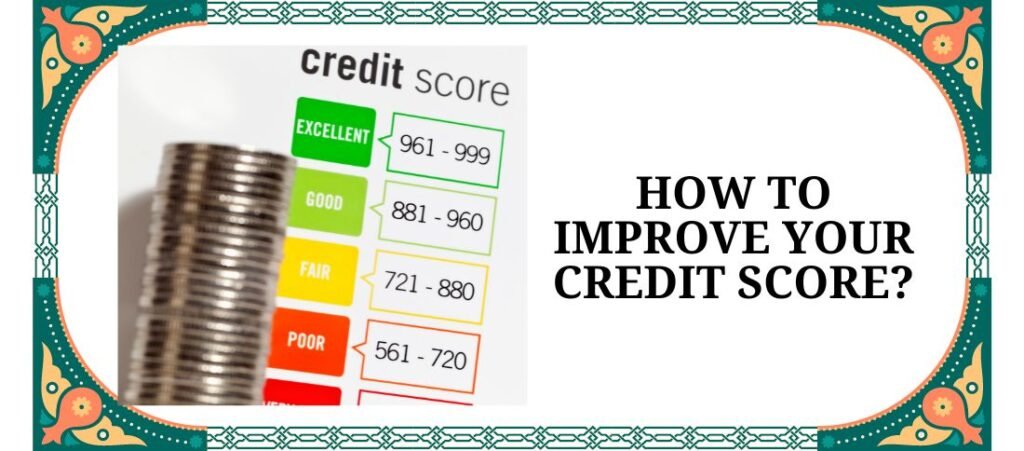
Your credit score is more than just a number; it’s the financial passport that unlocks opportunities and saves you tens of thousands of dollars over your lifetime. In the United States, a score of 700 or higher is widely considered the gateway to “good” credit. Crossing this threshold means you’re no longer seen as a marginal borrower but as a reliable, low-risk individual in the eyes of lenders, landlords, and even employers.
Achieving a 700+ score can translate into:
- Lower interest rates on mortgages, auto loans, and personal loans.
- Higher credit limits, giving you more financial flexibility.
- Better approval odds for premium credit cards with lucrative rewards.
- Reduced insurance premiums in many states.
- Easier apartment rentals without requiring a co-signer.
- Security deposit waivers on utilities and cell phone contracts.
If your score is currently below 700, don’t be discouraged. Improving your credit is a marathon, not a sprint. It requires discipline, knowledge, and a strategic plan. This guide will provide you with that plan. We will demystify the components of your credit score, provide a clear, actionable step-by-step process for improvement, and equip you with the knowledge to maintain your excellent score for life. This information is based on established credit scoring models, lender guidelines, and proven financial principles.
Part 1: Understanding the Foundation – What is a Credit Score?
Before you can improve your score, you must understand what it is and how it’s calculated.
1.1 The Major Players: FICO® vs. VantageScore®
There are two primary credit scoring models in the US:
- FICO® Score: Developed by the Fair Isaac Corporation, the FICO Score is the most widely used model. Approximately 90% of top lenders use FICO Scores in their decision-making. Your FICO Score is what most lenders will check when you apply for a mortgage, auto loan, or credit card.
- VantageScore®: This model was created by the three national credit bureaus (Equifax, Experian, and TransUnion) as a competitor to FICO. While its adoption is growing, it’s still less prevalent than FICO for major lending decisions. It’s, however, very common in free credit score services like those offered by Credit Karma.
While both models range from 300 to 850 and consider similar factors, they weigh them slightly differently. For the purpose of this guide, we will focus primarily on the FICO Score, as it is the industry standard for significant financial transactions.
1.2 The Five Pillars of Your FICO® Score
Your FICO Score is not a random number. It’s a complex algorithm based on the data in your credit reports. The exact formula is a trade secret, but Fair Isaac has publicly disclosed the general categories and their weightings:
- Payment History (35%): This is the most critical factor. It simply asks: “Do you pay your bills on time?” Every late payment, charge-off, or account sent to collections damages this category.
- Amounts Owed / Credit Utilization (30%): This is the second most important factor. It measures how much of your available credit you are using. Specifically, it looks at your credit utilization ratio—the total balances you owe divided by your total credit limits across all revolving accounts (like credit cards). A lower ratio is better.
- Length of Credit History (15%): This category considers the age of your oldest account, the age of your newest account, and the average age of all your accounts. A longer credit history is generally more favorable.
- Credit Mix (10%): Lenders like to see that you can responsibly manage different types of credit. This includes revolving credit (credit cards, lines of credit) and installment loans (mortgages, auto loans, student loans).
- New Credit (10%): This includes the number of “hard inquiries” generated when you apply for new credit and the number of new accounts you’ve recently opened. Applying for too much new credit in a short period can be a red flag.
Understanding these five pillars is the first step. The rest of this guide will show you how to optimize each one.
Part 2: The Step-by-Step Action Plan to 700+
Follow these steps methodically. Consistency is key.
Step 1: Knowledge is Power – Get Your Credit Reports
You cannot fix what you cannot see. Your credit score is based on the information in your credit reports, so your first task is to obtain them.
- AnnualCreditReport.com: This is the only official website authorized by federal law to provide free annual credit reports from all three bureaus. Due to the pandemic, you can now access your reports for free weekly at this site. This is your starting point.
- What to Look For: Request reports from Equifax, Experian, and TransUnion. Review each one meticulously for errors. Accounts you don’t recognize, incorrect payment statuses, outdated personal information, and accounts that aren’t yours can all be dragging your score down.
Step 2: Scrutinize and Dispute Errors
Errors on credit reports are more common than you might think. If you find any inaccuracies, you have the right to dispute them.
- Document the Error: Note the account name, number, and the specific information you believe is incorrect.
- File a Dispute: You can file disputes online directly with each credit bureau where the error appears. It’s the fastest and most efficient method. You can also do it via mail. The Federal Trade Commission (FTC) provides a sample dispute letter on its website.
- Provide Evidence: If you have documentation (e.g., a statement showing a payment was on time, a letter confirming an account was closed), include it with your dispute.
- Follow Up: The bureaus typically have 30-45 days to investigate your claim. They will notify you of the result. If the information is corrected, your score could see an immediate boost.
Step 3: The Non-Negotiable Foundation – Always Pay On Time
With a 35% impact, your payment history is the bedrock of your score. A single 30-day late payment can stay on your report for seven years and cause a significant drop.
- Automate Your Finances: Set up autopay for at least the minimum payment on every single account. This is the single most effective habit for protecting your score from human error or forgetfulness.
- Go Beyond the Minimum: While paying the minimum keeps your account in good standing, it does little to reduce your overall debt. Always strive to pay more than the minimum, ideally the full statement balance, to avoid interest charges.
- Address Past Late Payments: If you have a late payment already on your report, all is not lost.
- Goodwill Letter: If you have an otherwise positive history with a lender, you can write a “goodwill letter” asking them to remove the late payment as a gesture of goodwill. This is more likely to work with a one-time oversight than a pattern of late payments.
- Pay for Delete: For more serious derogatory marks like collections accounts, you can negotiate a “pay for delete.” This involves contacting the collection agency and offering to pay the debt in exchange for them completely removing the account from your credit report. Get this agreement in writing before you send any payment.
Step 4: Master Your Credit Utilization (The Quickest Path to Gains)
For many people, especially those carrying credit card debt, lowering their credit utilization is the fastest way to see a substantial score increase. The golden rule is to keep your overall utilization below 30%, and ideally below 10% for the best results.
- Pay Down Balances Strategically: Focus on paying down your revolving debt (credit cards). The “Avalanche” method (paying off the highest-interest debt first) is the most cost-effective strategy.
- The $0 Balance Trick: You don’t need to carry a balance to have a good score. In fact, paying your statement balance in full every month is the best practice. It shows you’re using credit responsibly without paying a cent in interest.
- Increase Your Credit Limits: A simple mathematical trick. If you have a $1,000 balance on a card with a $2,000 limit, your utilization is 50%. If you call and request a credit limit increase to $4,000 (and don’t spend more), your utilization instantly drops to 25%. Caution: Only do this if you are confident you won’t use the extra credit to accumulate more debt. Also, ask if the lender does a “soft pull” for limit increases to avoid a hard inquiry.
- Strategic Payment Timing: If you need to apply for new credit soon, you can manipulate your reported utilization. Most card issuers report your statement balance to the bureaus. If you make a payment before your statement closing date, you can lower the balance that gets reported, thus lowering your utilization.
Read more: Navigating US Payroll and Taxes: A Checklist for First-Time Employers
Step 5: Strategically Manage Your Credit Accounts
- Don’t Close Old Accounts: The length of your credit history benefits from old accounts. Closing your oldest credit card will not remove it from your report immediately (it will stay for 10 years), but it will eventually fall off and shorten your history. Unless an old card has a high annual fee, keep it open. Use it for a small, recurring subscription and set it on autopay to keep it active.
- Become an Authorized User: If you have a family member with a long-standing credit card in excellent standing, ask if they can add you as an authorized user. You don’t even need to use the card. The account’s positive payment history and age can be added to your credit file, giving your score a boost. Ensure the card issuer reports authorized user activity to the bureaus.
- Consider a Credit-Builder Loan: If you have a thin file or are rebuilding, a credit-builder loan from a credit union or a service like Self Inc. can be helpful. You make fixed payments into a savings account, and once the loan is paid off, you receive the money. The lender reports your on-time payments to the bureaus, building your payment history.
Step 6: Be Surgical with New Credit Applications
- Space Out Your Applications: Every hard inquiry from a credit application can temporarily ding your score by a few points. Applying for multiple lines of credit in a short period compounds this effect and makes you look risky to lenders. Space out your applications by at least six months.
- Rate Shopping is Understood: Scoring models are designed to accommodate rate shopping for loans like mortgages, auto, and student loans. If you do all your applications within a 14-45 day window (the timeframe varies by model), they will typically be counted as a single inquiry for scoring purposes.
Step 7: The Advanced Tool – Secured Credit Cards
If you are new to credit or rebuilding from poor credit, a secured credit card is one of the most powerful tools available.
- How It Works: You provide a cash security deposit (e.g., $200) which becomes your credit line. You use the card like a normal credit card. The issuer reports your payment activity to the credit bureaus.
- The Goal: Use the card responsibly for 12-18 months. Make small purchases and pay the bill in full every month. This builds a positive payment history. After demonstrating responsible use, many issuers will “graduate” you to an unsecured card and return your deposit.
Part 3: Maintaining a 700+ Score for Life
Reaching a 700+ score is a major accomplishment, but the work isn’t over. Maintaining it requires ongoing vigilance.
- Continuous Monitoring: Use free services from your bank, credit card issuer, or apps like Credit Karma (which provides VantageScore) to monitor your score regularly. Many services now offer free access to your FICO Score.
- Annual Credit Report Check: Continue to pull your full reports from AnnualCreditReport.com once a year to check for new inaccuracies or signs of identity theft.
- Stick to Your Habits: The disciplined habits that got you to 700+ are the same ones that will keep you there. Never stop paying on time, keep utilization low, and be strategic about new credit.
Part 4: Myths and Misconceptions – What Doesn’t Help Your Score
- MYTH: Checking your own credit hurts your score.
- TRUTH: Checking your own credit results in a “soft inquiry,” which does not affect your score at all.
- MYTH: You need to carry a credit card balance to build credit.
- TRUTH: Carrying a balance does not help your score and costs you money in interest. You can pay your balance in full every month and still have a perfect payment history.
- MYTH: Closing a credit card will remove it from your report.
- TRUTH: Closed accounts in good standing can remain on your report for up to 10 years and will continue to age during that time.
- MYTH: A high income gives you a high credit score.
- TRUTH: Your income is not a factor in calculating your credit score. However, lenders may consider your income when deciding whether to approve you for a loan and what terms to offer.
Read more: The Ultimate Guide to Digital Marketing for US Small Businesses on a Budget
Frequently Asked Questions (FAQ)
Q1: How long does it take to get to a 700 credit score?
There is no one-size-fits-all timeline. It depends entirely on your starting point.
- From “Thin File” (No Credit): With a secured card and responsible use, you could reach 700 within 12-18 months.
- From the 500s/600s (Damaged Credit): If you have negative marks like late payments or collections, the journey will be longer—typically 2-3 years of consistent, positive behavior to see major improvement. Negative items lose their impact over time, especially after the 2-year mark.
Q2: Will paying off a collection account improve my score?
This is complex. Paying a collection account does not automatically remove it from your report. Newer FICO Score models (FICO 9, FICO 10) ignore paid collections, which can provide a boost. However, older models still consider it, even if paid. The best practice is to negotiate a “pay for delete” so the account is removed entirely.
Q3: Is it worth using a credit repair company?
Credit repair companies charge fees to do what you can do for free: dispute errors on your credit report. While they can save you time, they cannot do anything you cannot do yourself. If you have the time and are willing to be organized, you are almost always better off handling disputes on your own.
Q4: I paid off my installment loan (car, student). Why did my score drop slightly?
This can happen due to the “Credit Mix” factor. When you close an installment account, you may have a less diverse mix of credit (e.g., only credit cards remain). This is usually a minor and temporary dip. The long-term benefits of being debt-free far outweigh this small, temporary effect.
Q5: Can I have a good credit score without any debt?
Yes, absolutely. You can have an 800+ score without ever paying a cent in interest. The key is to use credit responsibly—by putting charges on a card and paying the statement balance in full every month—without accumulating revolving debt.
Q6: What’s the difference between a “hard pull” and a “soft pull”?
- Hard Inquiry (Hard Pull): Occurs when a lender checks your credit to make a lending decision (e.g., applying for a credit card, loan, or mortgage). This requires your permission and can slightly lower your score for up to a year.
- Soft Inquiry (Soft Pull): Occurs when you check your own credit, when a lender pre-approves you for an offer, or when a potential employer checks your credit. Soft pulls do not affect your credit score.
Conclusion: Your Journey to Financial Empowerment
Improving your credit score to 700+ is a journey of financial self-discipline and education. It is not about tricks or shortcuts, but about mastering the fundamental principles of responsible credit management: pay your bills on time, keep your balances low, and be strategic about how you use credit.
By following the step-by-step plan outlined in this guide—starting with a deep understanding of your credit reports, systematically addressing negative items, and adopting long-term healthy financial habits—you are not just chasing a number. You are building a solid financial foundation that will provide you with lower costs, more opportunities, and greater peace of mind for years to come. Start today. Your future self will thank you.