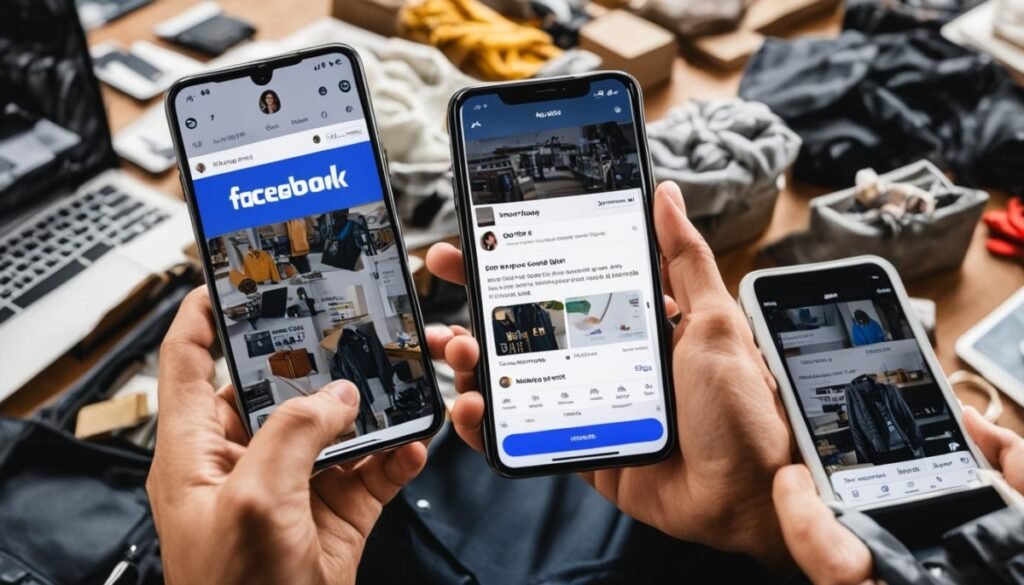
Facebook Marketplace has revolutionized the way we buy and sell locally. What started as a simple bulletin board feature has exploded into a massive, integrated platform where you can offload clutter, flip items for profit, or even run a small business—all without leaving the Facebook ecosystem. Its power lies in its simplicity and reach: it connects you directly with potential buyers in your own community.
However, this ease of use and open access also attract opportunistic scammers. A successful seller isn’t just someone who can take a good photo; they are a savvy businessperson who understands how to navigate the platform’s nuances while protecting their time, money, and safety.
This definitive guide draws on extensive experience and best practices to walk you through the entire process of selling on Facebook Marketplace. From creating the perfect listing to handling the final exchange, we will equip you with the knowledge to make real money and confidently avoid the pitfalls.
Part 1: Laying the Foundation for Success
Before you list your first item, it’s crucial to set the stage for a smooth and professional selling experience.
1.1 Optimizing Your Facebook Profile for Selling
Your Facebook profile is your storefront. Buyers will check it out to gauge your trustworthiness. You don’t need to share your entire life, but a complete and authentic profile builds credibility.
- Use a Real Profile: Avoid using a brand-new or blank profile. Scammers often operate from these. A profile with a history and real-looking connections is far more trustworthy.
- Clear Profile Picture: A picture of yourself, your family, or even a pet is better than a meme or a blank avatar. It humanizes you.
- Fill Out Your “About” Section: A completed “About” section with your town, employment, and education (even if vague) adds a layer of legitimacy.
- Manage Your Privacy: You can adjust your privacy settings so that strangers only see your name and profile picture, which is a perfectly acceptable practice. The goal is to look like a real person, not necessarily an open book.
1.2 Understanding the Facebook Marketplace Interface
Spend some time familiarizing yourself with the Marketplace layout, accessible via the Facebook app or website (usually marked with a storefront icon).
- Your Listings: This is your dashboard where you can see items you have for sale, pending, and sold.
- Inbox: This is separate from your main Messenger inbox and is dedicated solely to Marketplace conversations. Keep it organized.
- Browse & Search: Use the search bar and filters (category, price, location, condition) to research what similar items are selling for in your area. This is critical for pricing your own items competitively.
Part 2: The Art of the Perfect Listing
A great listing is the difference between an item that sells in hours and one that languishes for weeks. It’s a combination of compelling visuals and persuasive copy.
2.1 Photography: Your First and Most Important Impression
People buy with their eyes. Blurry, dark, or cluttered photos are the #1 reason listings fail.
- Lighting is Everything: Use natural light whenever possible. Shoot during the day near a large window. Avoid harsh overhead lights that create shadows or strange color casts.
- Clean Your Item: Wipe down electronics, dust off shelves, and lint-roll clothing. The item should look its absolute best.
- Use a Simple, Uncluttered Background: A plain wall, a clean floor, or a neutral tabletop works best. Avoid busy patterns or a messy room in the background, as it distracts from the product.
- Shoot from All Angles: Take photos of the front, back, sides, top, and bottom. For clothing, include a shot of the tag.
- Show Any Flaws Transparently: This is non-negotiable for building trust. If there’s a scratch, a stain, or a dent, take a clear, close-up photo of it. Being upfront prevents disputes later and shows you’re an honest seller.
- Demonstrate Scale: For items where size matters, include a common object for scale, like a coin, a remote control, or a soda can.
- Use All 10 Photo Slots: Facebook allows up to 10 images. Use them all to tell the complete visual story of your item.
2.2 Writing a Compelling Description
Your description needs to fill in the gaps left by the photos and convince the buyer that your item is the one they need.
- Craft a Clear, Keyword-Rich Title: Think about what a buyer would search for. Instead of “Nice Chair,” use “Ergonomic Office Task Chair – Black – Like New.”
- Use the “New, Like New, Good, Fair” Condition Label Honestly: This sets an immediate expectation.
- Structure Your Description:
- Hook: Start with a brief, engaging sentence. “Upgrading my office, so my loss is your gain!”
- Key Details: List the brand, model, dimensions, material, age, and any included accessories (e.g., “Comes with original box and all cables”).
- Highlight Benefits: Why is this item great? “This vacuum has incredible suction and comes with three extra attachments for upholstery and tight spaces.”
- Disclose Flaws Prominently: Reiterate any imperfections you photographed. “Please note: There is a small scuff on the top right corner, as shown in the last photo.”
- Mention Reason for Selling: A simple reason like “downsizing,” “never used,” or “upgraded” can make the listing feel more genuine.
- Be Specific and Avoid Hyperbole: “Excellent condition” is subjective. “No scratches, stains, or odors, used for only 6 months” is specific and trustworthy.
2.3 Pricing for a Quick and Fair Sale
Pricing is both an art and a science. Price too high, and you’ll get no interest. Price too low, and you leave money on the table or look suspicious.
- Research Comparable Listings: Search for your exact or similar item on Marketplace. Filter by “Sold” listings if possible to see what people are actually paying, not just what sellers are asking.
- Factor in Condition and Age: A 5-year-old iPhone in “Good” condition is not worth the same as a 2-year-old one in “Like New” condition.
- The “Haggle-Down” Strategy: It’s often wise to price your item 10-15% higher than your absolute lowest acceptable price. This gives you room to negotiate and makes the buyer feel like they got a deal.
- Consider Your Goal: Do you need it gone today? Price it to sell fast. Are you willing to wait for the right buyer? You can price it closer to its maximum value.
- Price Psychology: Using $.99 or $.50 ($25.99 vs. $26) can make a price seem lower. For higher-ticket items, round numbers ($500) often look more professional.
Part 3: The Selling Process: From Inquiry to Handoff
Once your listing is live, the real work begins. Managing communication and logistics professionally is key.
3.1 Managing Buyer Communication
- Respond Promptly: The first person to respond and show genuine interest is often the most serious buyer. Try to reply within a few hours.
- Be Polite and Professional: Even if you get lowball offers or strange questions, a polite “No, thank you” or a simple, clear answer is best. Avoid getting into arguments.
- Pre-Qualify with Standard Questions: To save time for everyone, you can create a standard copy-paste response:”Hi, thanks for your interest! The item is still available. It’s in [Condition] and pickup is in [Your Neighborhood/Town]. Are you able to pick up at [Suggested Public Location]?”
- Hold the Item? Generally, avoid holding items without a non-refundable deposit, especially for high-demand items. A simple “I can’t hold it, but I’ll let you know if it’s still available when you’re ready” is a fair policy.
3.2 Negotiating Like a Pro
Everyone wants a deal. Expect to negotiate.
- The “Is this firm?” Question: Have a prepared response. “The price is firm for now, but I’ll let you know if that changes,” or “I’m open to reasonable offers.”
- Handling Lowball Offers: Don’t take it personally. A simple “I’m sorry, I can’t accept that offer” is sufficient. You can counter with your best price or ignore it.
- Know Your Bottom Line: Decide the absolute minimum you’ll accept before you start talking to buyers. This prevents you from making a rash decision you’ll regret.
3.3 Choosing the Right Exchange Method
This is where safety and convenience intersect.
- Local Pickup (The Standard):
- Safety First: Always meet in a safe, public, and well-lit place. Police station parking lots often have designated “online exchange” spots for this very purpose. Never meet at your home or theirs, especially for the first transaction.
- Bring a Friend: If possible, have someone accompany you.
- Final Inspection: Let the buyer inspect the item before handing over the money.
- Shipping (Expanding Your Reach):
- Use Facebook Checkout: For eligible items, this is the safest way. Facebook manages the payment and shipping labels, protecting both parties.
- If Arranging Shipping Yourself: This carries more risk. Only accept secure payment methods before shipping (like PayPal Goods & Services, not Friends & Family). Package the item well, purchase tracking, and insure valuable items. Clearly communicate the shipping cost and timeline to the buyer.
Read more: How to Start a Side Hustle in the USA: A Step-by-Step Guide for 2024
3.4 Handling Payment Securely
Cash may be king, but digital payments are becoming more common.
- Cash is Best (For Local): It’s immediate, secure, and leaves no digital trail for chargebacks. Ask for exact change if possible.
- Peer-to-Peer Apps (Venmo, Cash App, Zelle): Use with caution. These are designed for friends and family and offer no purchase protection. Only use these if you are meeting in person and can verify the payment has gone through on your app before you hand over the item. Scammers can use stolen accounts and later reverse the payment.
- Facebook Pay: A secure option integrated into the platform. The payment is held by Facebook until the buyer confirms receipt.
- PayPal Goods & Services: The safest non-cash method. It offers buyer and seller protection for a small fee (about 3%). Never use PayPal “Friends & Family” for a sales transaction, as it voids all protection.
Part 4: The Red Flags: A Practical Guide to Avoiding Scams
Scammers follow patterns. Learning these patterns is your best defense.
4.1 Common Scams Targeting Sellers
- The Overpayment Scam:
- How it works: A “buyer” offers to pay well over your asking price. They’ll send a fake check or use a stolen payment account. Then, they claim it was a mistake and ask you to wire the difference back. The original payment is fraudulent and will be reversed, and you’re out the money you wired.
- The red flag: Any offer significantly above the asking price, especially from a distant or unresponsive buyer.
- The defense: State “price is firm” and only accept local, face-to-face payments.
- The Fake Payment Confirmation Scam:
- How it works: You receive a poorly-photoshopped email that looks like it’s from PayPal, Venmo, or Facebook, claiming you’ve been paid. The scammer will pressure you to ship the item immediately. The email is fake, and no payment exists.
- The red flag: The “buyer” insists you ship right away and pressures you. The email comes from a generic Gmail/Yahoo address, not the official service.
- The defense: Always log directly into your payment app or Facebook account to confirm the funds have cleared. Do not trust email screenshots.
- The “I’ll Send a Code” Verification Scam:
- How it works: A “buyer” says they need to verify you’re a real person and will send a code to your phone. They ask you to read it back to them. This code is actually a password reset or two-factor authentication code for your own Facebook, Google, or email account. Once you give it to them, they can hijack your account.
- The red flag: Anyone asking you to relay a code sent to your phone.
- The defense: Never, under any circumstances, share a code sent to your phone.
- The Third-Party Pickup Scam:
- How it works: A buyer agrees to your price but says their “cousin” or “mover” will pick it up. They pressure you to accept a digital payment and hand the item to this third party. The payment is fraudulent and will be reversed.
- The red flag: A complex arrangement involving a third party and digital payment.
- The defense: Insist that the person picking up the item is the same person who made the payment arrangement. Cash upon local pickup avoids this entirely.
4.2 How to Spot a Potential Scammer in the Messages
- Poor Grammar and Spelling: While not a definitive sign, many scam messages are poorly written, with odd phrasing and capitalization.
- Vague, Copy-Pasted Questions: “Is this available?” is normal. “Is this item available, I am ok with the condition as seen?” can be a bot-like, generic message.
- Refusal to Meet in Person: They always have an excuse why they can’t meet and want to handle everything remotely.
- Rushing and Creating Urgency: They try to pressure you into acting quickly before you can think critically.
- A New or Bare Facebook Profile: As mentioned before, a blank profile with no friends, photos, or history is a major warning sign.
Part 5: Advanced Strategies for Power Sellers
Once you’ve mastered the basics, you can use Marketplace to generate significant side income.
- The Art of the Flip: Source free or cheap items (from curb alerts, thrift stores, or garage sales), clean and repair them minimally, and resell them for a profit. Furniture, brand-name clothing, and vintage electronics are great categories for this.
- Bulk Listing and Inventory Management: If you’re selling multiple items, keep a simple spreadsheet to track listings, prices, and buyer communications.
- Building a Local Seller Reputation: Consistently good communication, accurate listings, and fair prices will lead to positive reviews on your Facebook profile, making future sales even easier.
- Cross-Posting: List desirable items on other platforms like OfferUp, Craigslist, or Nextdoor to maximize exposure. Remember to mark items as sold promptly across all platforms.
Conclusion
Facebook Marketplace is a powerful tool that turns your unused possessions into cash and connects you with your local community. By treating your listings with care, your communications with professionalism, and your personal safety as the highest priority, you can unlock its full potential.
The formula for success is simple: be transparent, be communicative, be safe, and be smart. Now, you have the knowledge to do just that. Happy selling!
Read more: How to Create a Standout LinkedIn Profile That Recruiters Will Find
Frequently Asked Questions (FAQ)
Q1: A buyer is asking for my phone number or email address. Should I give it to them?
A: No. There is no need to take communication outside of Facebook Messenger for a standard Marketplace transaction. Scammers often do this to bypass Facebook’s reporting and monitoring systems. Keep all communication on-platform for your protection.
Q2: What should I do if I realize I’ve been scammed?
A: Act quickly. If you shipped an item based on a fake payment, contact the shipping company immediately to see if you can intercept the package. Report the user to Facebook through the Marketplace conversation. If you shared personal information or sent money, contact your bank and consider filing a report with the FTC at ReportFraud.ftc.gov.
Q3: Is it safe to let a buyer come to my house for pickup?
A: It is generally not recommended, especially for high-value items or if you live alone. The risk, however small, is not worth the convenience. A public meeting place is always the safest choice. If you must have a home pickup, ensure someone else is home with you, do not allow the buyer inside, and have the item ready at the door.
Q4: The buyer says the item doesn’t work after they bought it. What’s my responsibility?
A: For private-party sales of used goods, the rule is generally “sold as seen” or “caveat emptor” (buyer beware). If you were transparent about the condition and any flaws in your listing, and the buyer inspected it at pickup, you are not obligated to offer a refund. Politely refer them back to your listing description and photos. To avoid this, you can even write in your description: “No returns or refunds, please inspect before purchasing.”
Q5: How do I handle “no-shows”?
A: No-shows are an unfortunate reality of online marketplaces. To minimize them:
- Confirm the appointment an hour or two before the scheduled time: “Hi, just confirming we are still on for 5 PM at [Location]?”
- Use a “first come, first served” policy and communicate this clearly. “I can hold it until [time], but if someone else can come sooner, I will have to let it go.”
- Don’t wait more than 10-15 minutes for a no-show before moving on to the next interested buyer.
Q6: Can I sell handmade items or provide a service on Marketplace?
A: Yes! Marketplace has a “Home & Other Services” category. For handmade goods, be sure to take professional photos and write detailed descriptions, just as you would for any other product. You are essentially acting as a small business.
Q7: Why was my Marketplace listing removed?
A: Facebook has a list of prohibited items, including alcohol, tobacco, animals, adult products, pharmaceuticals, and recalled items. If your item falls into one of these categories, it will likely be removed. You can appeal the removal through Facebook’s help center if you believe it was a mistake.
Q8: What’s the best way to sell a high-value item, like a laptop or designer bag?
A: For high-value items, take extra precautions:
- Document the serial number and take many high-quality photos.
- Be extra vigilant for scams; they are more common on high-ticket listings.
- Insist on a cash-only, in-person transaction at a very safe location, like a police station.
- Consider meeting inside a bank lobby, where you can verify the cash is real and safely count it.