Learning new skills online offers flexibility and opportunity, but the sheer volume of options can lead to confusion and burnout. This guide outlines a structured, practical approach to selecting, organizing, and mastering online learning without overwhelm. It focuses on clarity, realistic pacing, and proven methods to help you build valuable skills efficiently and sustainably in today’s digital environment.
Why Online Learning Feels Overwhelming
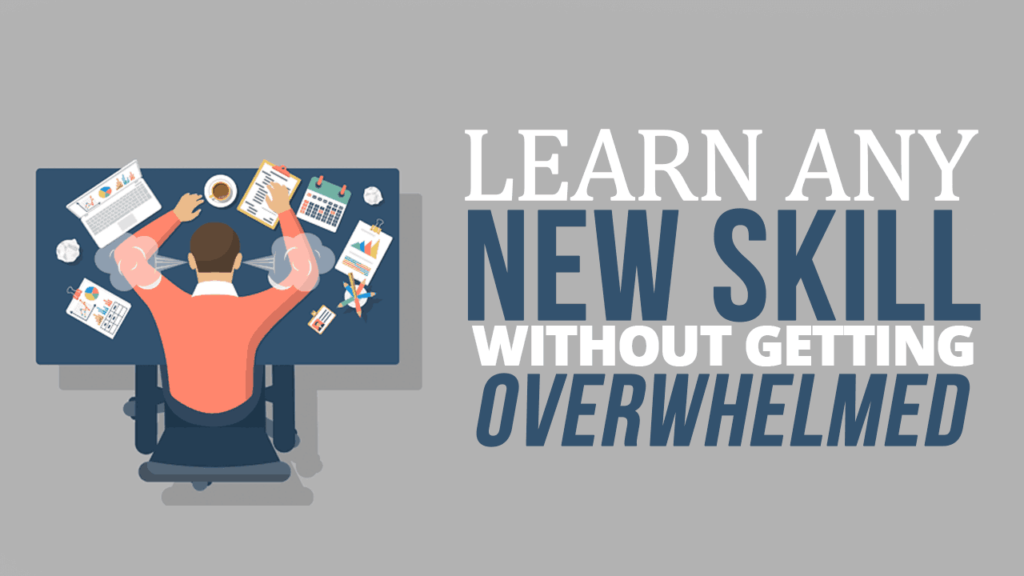
The internet has transformed access to education. Platforms like Coursera, YouTube, and professional training hubs offer thousands of courses across every conceivable topic. While this abundance is empowering, it also creates friction. Many learners begin with enthusiasm but stall due to unclear direction, inconsistent habits, or information overload.
Research from the National Center for Education Statistics shows that adult learners in the U.S. increasingly rely on online education, yet completion rates remain uneven. The issue is rarely motivation—it’s structure. Without a clear system, even highly capable learners struggle to maintain progress.
The solution isn’t consuming more content. It’s building a learning framework that filters noise and supports consistent, focused progress.
Step 1: Define a Clear, Practical Outcome
Most people start with vague goals like “learn coding” or “improve communication skills.” These are too broad to guide action. A structured approach begins with specificity.
Instead of focusing on the skill itself, define what you want to do with that skill.
For example:
- “Build a personal portfolio website within 8 weeks”
- “Conduct confident client presentations at work”
- “Analyze basic business data using Excel for weekly reporting”
This outcome-based framing does two things:
- It narrows your learning scope
- It creates a natural stopping point, preventing endless consumption
A useful guideline is to choose goals that can be realistically achieved within 4–12 weeks. This aligns with behavioral research showing that shorter timelines improve consistency and completion.
Step 2: Curate, Don’t Collect
One of the most common mistakes is signing up for multiple courses simultaneously. This creates cognitive clutter and reduces focus.
Instead, treat learning like editorial curation. Choose one primary resource and, at most, one supplemental resource.
A simple selection framework:
- Does this resource match your defined outcome?
- Is it structured (not just a collection of videos)?
- Does it include practice or application?
Avoid the trap of “just in case” resources. Saving dozens of tutorials may feel productive, but it often leads to decision fatigue.
A practical example:
If you’re learning data analysis, select one structured course that includes exercises, and pair it with a single YouTube channel for clarification—not five different platforms.
Step 3: Break Learning Into Weekly Systems
Consistency matters more than intensity. Instead of cramming information, design a weekly system that fits your schedule.
A realistic structure for working professionals might look like:
- 3 learning sessions per week (45–60 minutes each)
- 1 review session (30 minutes)
- 1 application session (60–90 minutes)
This rhythm balances input (learning) and output (practice), which is essential for retention.
Cognitive science supports this approach. Studies on spaced repetition and active recall show that information is retained more effectively when learning is distributed over time and reinforced through practice.

Step 4: Shift From Passive to Active Learning
Watching videos or reading articles can create the illusion of progress. True learning happens when you actively engage with the material.
Active learning includes:
- Taking structured notes in your own words
- Practicing exercises without guidance
- Teaching the concept to someone else
- Applying the skill to a real-world task
For example, if you’re learning graphic design, don’t just follow tutorials. Create your own design brief and execute it independently. This exposes gaps in understanding and accelerates skill development.
A helpful rule: Spend at least 50% of your learning time applying what you’ve learned.
Step 5: Limit Input, Increase Output
Overwhelm often comes from consuming too much information without applying it. The brain can only process a limited amount of new information at once.
To maintain clarity:
- Cap new content to 1–2 lessons per session
- Immediately follow with practice
- Avoid switching topics frequently
Think of learning as building, not browsing. Each session should contribute to a tangible outcome.
Step 6: Build a Feedback Loop
Feedback is critical for improvement. Without it, mistakes go unnoticed and progress slows.
You don’t need formal instruction to get feedback. Practical options include:
- Sharing work in online communities (e.g., Reddit, professional forums)
- Asking colleagues or peers for input
- Comparing your work against high-quality examples
For instance, someone learning writing can publish short pieces on platforms like Medium and observe engagement patterns or reader comments.
The key is consistency. Regular feedback prevents you from reinforcing ineffective habits.
Step 7: Manage Cognitive Load
Cognitive overload occurs when too much information is processed at once. This leads to fatigue and reduced retention.
To manage this:
- Focus on one skill at a time
- Keep sessions under 60–90 minutes
- Take short breaks between learning blocks
Neuroscience research suggests that attention declines significantly after prolonged focus. Short, structured sessions are more effective than long, unstructured ones.
Step 8: Track Progress in a Visible Way
Progress tracking reinforces motivation and provides clarity. Without it, learning can feel abstract and discouraging.
Simple tracking methods include:
- A weekly checklist of completed lessons
- A progress journal documenting key takeaways
- A portfolio of completed projects
For example, someone learning web development might track:
- Week 1: HTML basics completed
- Week 3: First static webpage built
- Week 6: Responsive design implemented
Visible progress creates momentum and reduces the likelihood of abandoning the process.
Step 9: Know When to Stop Learning and Start Using
A common barrier is the belief that you need to “learn everything” before taking action. In reality, practical use should begin early.
You’re ready to apply a skill when:
- You understand the basic concepts
- You can complete simple tasks independently
- You can identify what you don’t know
At this stage, real-world use becomes the primary driver of growth.
For example, instead of completing every Excel tutorial, start using Excel for actual budgeting or reporting tasks. Practical use exposes relevant gaps more effectively than additional content.
Step 10: Create a Sustainable Learning Identity
Long-term success comes from consistency, not intensity. Rather than relying on bursts of motivation, build an identity around being someone who learns regularly.
This doesn’t require drastic changes. Small, repeatable habits are more effective:
- Setting fixed learning times each week
- Keeping your learning environment consistent
- Reducing friction (e.g., bookmarking your course, preparing materials in advance)
Over time, this consistency compounds into meaningful skill development.
Frequently Asked Questions
1. How do I choose the right skill to learn online?
Focus on skills tied to a specific outcome or need—career advancement, personal projects, or problem-solving—rather than abstract interests.
2. How many hours per week should I spend learning?
For most adults, 3–5 focused hours per week is sufficient for steady progress without burnout.
3. What are the best platforms for online learning?
Well-known platforms include Coursera, edX, Udemy, and YouTube. The best choice depends on your goal and preferred learning style.
4. How do I stay consistent with online learning?
Create a fixed schedule, reduce decision-making, and track progress visibly to maintain momentum.
5. Is it better to learn from free or paid resources?
Both can be effective. Paid resources often offer structure, while free resources provide flexibility.
6. How long does it take to learn a new skill online?
Basic proficiency can often be achieved in 4–12 weeks with consistent effort, depending on the skill.
7. How do I avoid information overload?
Limit resources, focus on one topic at a time, and prioritize application over consumption.
8. Can I learn multiple skills at once?
It’s possible but not recommended for beginners. Focus on one skill to maximize retention and progress.
9. What if I lose motivation halfway through?
Revisit your original goal, simplify your plan, and reduce the time commitment temporarily to rebuild consistency.
10. How do I know if I’m making progress?
Track completed tasks, measure outcomes, and assess your ability to apply the skill in real-world scenarios.
Designing a Learning Rhythm That Actually Sticks
The most effective online learners are not those who consume the most content, but those who build systems they can sustain. A structured approach reduces overwhelm by narrowing focus, clarifying goals, and reinforcing consistent action.
In a digital environment where options are endless, discipline becomes a form of efficiency. By defining outcomes, limiting inputs, and prioritizing application, you create a learning process that is both manageable and effective.
The goal isn’t to learn everything. It’s to learn what matters—and use it well.
A Clear Path Forward
- Define a specific, outcome-based goal
- Choose one primary learning resource
- Follow a consistent weekly learning system
- Prioritize active practice over passive consumption
- Limit new information to avoid overload
- Seek regular feedback to improve
- Track progress visibly to stay motivated
- Apply skills early in real-world contexts
- Build sustainable learning habits over time