Curiosity is often dismissed as a passive trait—something that sparks interest but rarely leads to tangible outcomes. In reality, curiosity is one of the most powerful drivers of skill development. In the United States, where digital access and flexible education options are widely available, curiosity can be converted into real, marketable capabilities with the right structure and discipline.
Online learning has matured significantly over the past decade. According to data from the National Center for Education Statistics, more than 60% of U.S. adults have engaged in some form of online learning. Meanwhile, platforms like Coursera and LinkedIn Learning report millions of users actively acquiring job-relevant skills.
The opportunity is clear: everyday curiosity—when guided properly—can become a pathway to career growth, side income, or professional reinvention.
Why Curiosity Is a Valuable Starting Point
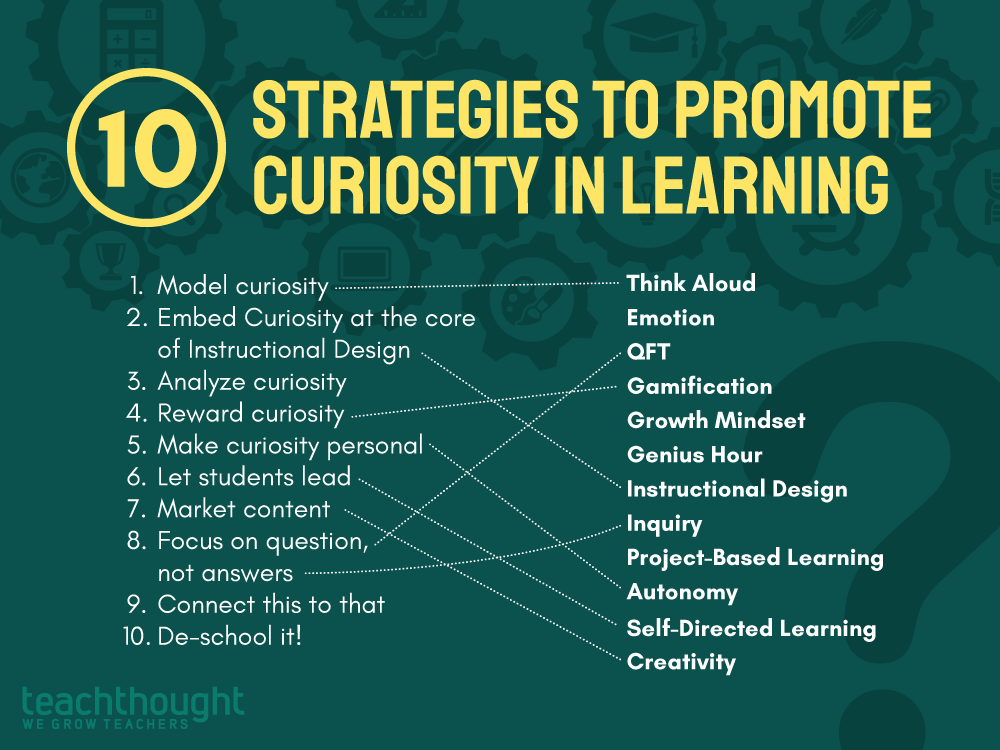
Curiosity signals intrinsic motivation. Unlike externally driven goals, curiosity sustains long-term engagement, which is essential for mastering any skill. When someone repeatedly searches for topics like “how to edit videos,” “basic coding,” or “personal finance strategies,” they are already demonstrating the early stages of skill acquisition.
In practical terms, curiosity lowers the barrier to entry. Instead of starting with a rigid objective, learners begin with exploration. Over time, patterns emerge—topics that consistently capture attention—and these patterns can be developed into structured learning paths.
For example, someone casually watching videos about home budgeting may gradually move into spreadsheet modeling, then financial planning, and eventually freelance consulting. The progression begins informally but becomes increasingly structured.
Identifying Which Interests Have Market Value
Not every curiosity translates into a marketable skill, but many do with the right framing. The key is to evaluate whether a topic can solve a real-world problem or create measurable value.
Consider the following questions:
- Does this skill help businesses save time, reduce costs, or increase revenue?
- Is there demand for this skill in freelance marketplaces or job listings?
- Can the skill be demonstrated through tangible outputs (projects, portfolios, results)?
For instance, curiosity about social media trends can evolve into skills in content strategy or analytics. Interest in writing can lead to copywriting, technical writing, or content marketing.
According to labor market insights from U.S. Bureau of Labor Statistics, roles involving digital skills—such as data analysis, digital marketing, and software development—continue to show steady demand and competitive wages.
Choosing the Right Online Learning Platforms
The quality of your learning environment directly impacts outcomes. While there are hundreds of platforms available, selecting the right one depends on your goals, learning style, and time commitment.
Well-established platforms like Udemy, edX, and Skillshare offer diverse content across skill levels.
When evaluating platforms, prioritize:
- Structured course progression rather than isolated tutorials
- Instructor credibility and real-world experience
- Opportunities for hands-on projects
- Peer reviews and completion rates
A common mistake is consuming fragmented content across multiple sources without completing any structured program. Consistency and depth matter more than variety.
Turning Passive Learning Into Active Skill Building
Watching tutorials alone does not create marketable skills. The transition from passive consumption to active application is where real learning occurs.
A practical approach involves applying knowledge immediately after learning it. For example, if you’re studying graphic design, create a logo for a fictional brand. If you’re learning coding, build a simple web application.
Effective learners often follow a cycle:
- Learn a concept
- Apply it in a small project
- Identify gaps
- Revisit and refine
This iterative process builds competence and confidence simultaneously.
Building a Portfolio That Demonstrates Real Ability
In the U.S. job market, demonstrated ability often outweighs theoretical knowledge. Employers and clients want evidence—projects, results, and tangible outputs.
A strong portfolio should include:
- Real or simulated projects with clear objectives
- Before-and-after examples showing improvement
- Brief explanations of your process and decisions
- Measurable outcomes where possible
For example, someone learning digital marketing might document how they increased engagement on a mock social media account. A data analyst might showcase dashboards built from publicly available datasets.
Portfolios not only validate your skills but also clarify your own strengths and areas for improvement.
How Long Does It Take to Build a Marketable Skill?
This is one of the most common questions among American learners. The answer depends on complexity, consistency, and prior experience.
Research from organizations like Pew Research Center suggests that adults who dedicate 5–10 hours per week to focused learning can develop functional proficiency in many digital skills within three to six months.
However, market readiness often requires additional time spent on real-world application and portfolio development.
A realistic timeline might look like:
- 0–1 month: Exploration and foundational learning
- 1–3 months: Structured courses and initial projects
- 3–6 months: Portfolio development and refinement
- 6+ months: Freelance work, job applications, or advanced specialization
Consistency matters more than intensity. Small, regular efforts outperform occasional bursts of activity.
Avoiding Common Pitfalls in Online Learning
While online learning offers flexibility, it also presents challenges. Many learners start enthusiastically but fail to follow through.
Common pitfalls include:
- Jumping between topics without completing any
- Prioritizing quantity of content over depth of understanding
- Avoiding practical application
- Setting unrealistic expectations for quick results
A disciplined approach—focused on one skill at a time—significantly improves outcomes.
Real-World Examples of Curiosity Turned Into Skills
Consider a few practical scenarios:
A marketing assistant in Chicago becomes curious about data visualization. They take online courses, practice using tools like spreadsheets and dashboards, and eventually transition into a data analyst role within their company.
A stay-at-home parent in Texas develops an interest in video editing while creating family content. Over time, they refine their skills and begin offering freelance editing services to small businesses.
A college student in California explores coding through free online resources. After building several small applications, they secure an internship that leads to a full-time software development position.
These examples illustrate a common pattern: curiosity leads to exploration, which leads to structured learning, followed by practical application and professional opportunity.
How to Stay Consistent Without Burnout
Sustaining momentum is often more challenging than getting started. The key is to integrate learning into daily routines rather than treating it as an occasional task.
Effective strategies include:
- Setting realistic weekly learning goals
- Scheduling dedicated time blocks
- Tracking progress through completed projects
- Taking breaks to avoid mental fatigue
Consistency does not require perfection. Even incremental progress compounds over time.

Frequently Asked Questions
1. Can online learning really replace traditional education?
In many fields, especially digital roles, online learning can provide job-ready skills when combined with practical experience and a strong portfolio.
2. What are the most in-demand skills to learn online in the U.S.?
Digital marketing, data analysis, software development, UX design, and project management are consistently востребованы.
3. How do I know if a course is worth my time?
Look for clear learning outcomes, strong reviews, experienced instructors, and hands-on projects.
4. Is it possible to learn a skill with no prior experience?
Yes, many online courses are designed for beginners and provide step-by-step guidance.
5. How important is certification?
Certifications can help, but demonstrable skills and real-world projects are often more valuable.
6. How can I stay motivated during long learning periods?
Break goals into smaller milestones and focus on consistent progress rather than immediate results.
7. Can I turn online learning into a side income?
Yes, many learners transition into freelance work once they build a solid portfolio.
8. What’s the biggest mistake beginners make?
Trying to learn too many things at once instead of focusing on one skill.
9. Are free courses as effective as paid ones?
Free courses can be highly effective, but paid courses often offer better structure and support.
10. How do I transition from learning to earning?
Start by taking small freelance projects, internships, or entry-level roles to gain real-world experience.
Where Curiosity Meets Opportunity
Curiosity alone is not enough—but when paired with structure, discipline, and practical application, it becomes a powerful engine for personal and professional growth. In today’s digital landscape, the barriers to learning are lower than ever, while the demand for adaptable, skilled individuals continues to rise.
Turning curiosity into marketable skills is less about talent and more about process. Those who succeed are not necessarily the most gifted, but the most consistent—those who take small, deliberate steps toward mastery.
Key Insights to Carry Forward
- Curiosity is a reliable indicator of potential skill development
- Structured learning pathways outperform random content consumption
- Practical application is essential for building real competence
- Portfolios are more valuable than theoretical knowledge alone
- Consistency over time leads to measurable, marketable results