Starting a business today requires more than a good idea—it demands strategic timing, lean execution, and awareness of shifting economic trends. This guide outlines practical, real-world steps for launching a business in the U.S., from validating demand and managing costs to leveraging remote tools and adapting to uncertainty, helping you build a sustainable foundation in a dynamic economy.
Understanding the Current Business Landscape
Starting a business in today’s economy is both more accessible and more complex than in previous decades. Technology has lowered barriers to entry, but competition has intensified, and economic uncertainty requires careful planning.
Recent data from the U.S. Bureau of Labor Statistics shows that over 20% of small businesses fail within their first year, often due to poor planning or lack of capital . At the same time, the rise of remote work, digital commerce, and service-based industries has created new opportunities for entrepreneurs who can move quickly and operate efficiently.
One key shift is the normalization of lean startups. Many businesses now begin with minimal overhead—often from home—and scale only after validating demand. In fact, a significant portion of U.S. small businesses launch with under $5,000 in initial costs.
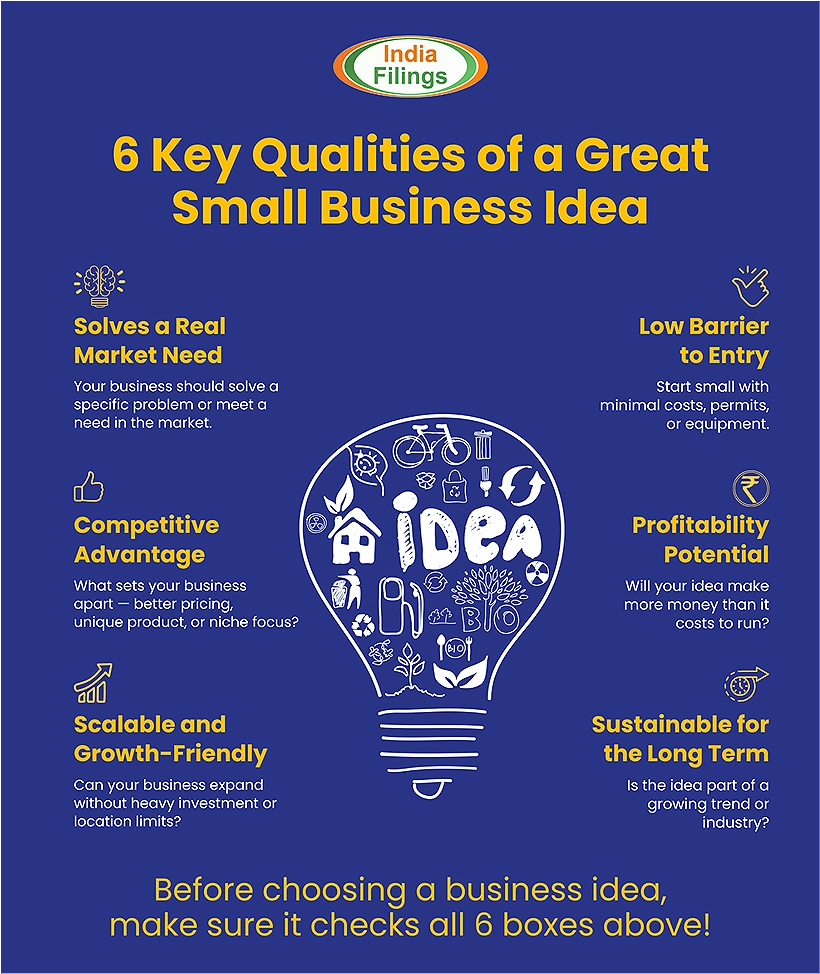
Step 1: Start With a Problem, Not Just an Idea
The most reliable businesses solve real, ongoing problems. In today’s economy, necessity-driven services often outperform trend-based ideas.
For example, home services like HVAC repair, cleaning, and maintenance continue to grow because they address immediate needs. These businesses tend to remain stable even during economic downturns .
When evaluating your idea, ask:
- Does this solve a recurring problem?
- Are people already paying for similar solutions?
- Is demand consistent or seasonal?
A practical example: A founder launching a mobile car detailing service in a suburban U.S. market may find faster traction than someone building a niche luxury product, simply because the service meets a daily need.
Step 2: Validate Demand Before You Build
One of the most common mistakes is investing too much before confirming demand. Validation today can happen quickly and affordably.
Instead of building a full product or service upfront, consider:
- Launching a simple website or landing page
- Running small paid ads to test interest
- Offering a pilot version of your service
- Collecting pre-orders or early sign-ups
This approach minimizes risk and provides real market feedback. Many successful founders now treat validation as a required first phase, not an optional step.
Step 3: Choose a Lean Business Model
In today’s economic climate, flexibility matters more than scale—at least initially. Lean models reduce risk and allow you to adapt quickly.
Common low-overhead models include:
- Service-based businesses (consulting, freelancing, local services)
- Online businesses (e-commerce, digital products)
- Hybrid models (local service + online booking or marketing)
Many founders now avoid long-term leases and instead rely on home offices, coworking spaces, or virtual setups. Flexible work environments have become standard, allowing businesses to operate efficiently without large upfront commitments .
Step 4: Understand the Real Costs of Starting
A realistic budget is essential. Startup costs vary widely depending on the industry, but even small businesses require careful financial planning.
Typical cost categories include:
- Business registration and legal fees ($35–$500 for LLC filings)
- Equipment and technology ($1,000–$5,000 for basic setups)
- Marketing and branding ($200–$2,000+ initially)
- Insurance and compliance ($300–$5,000 annually)
These ranges reflect common U.S. startup expenses and highlight the importance of planning for both initial costs and ongoing operations .
Equally important is working capital. Many businesses fail not because they lack revenue potential, but because they run out of cash before reaching stability.
Step 5: Build a Simple, Functional Business Plan
Modern business plans are less about lengthy documents and more about clarity and execution. A practical plan should answer:
- Who is your target customer?
- What problem are you solving?
- How will you acquire customers?
- What are your expected costs and revenue?
Rather than focusing on perfection, focus on usability. Your plan should guide decisions, not sit unused.
Step 6: Establish Credibility Early
In a crowded market, credibility can significantly influence early success. Fortunately, building a professional presence no longer requires a large investment.
You can establish credibility by:
- Creating a clean, functional website
- Using a professional business email
- Listing your business on platforms like Google Business
- Maintaining consistent branding
Some startups also use virtual business addresses and on-demand meeting spaces to project professionalism without the cost of a full office .
Step 7: Focus on Customer Acquisition First
Many new business owners prioritize branding or product perfection over customer acquisition. In reality, early traction matters more than polish.
Effective early strategies include:
- Local SEO and Google Business listings
- Social media content tailored to your audience
- Referral programs
- Direct outreach or partnerships
For example, a local cleaning service might gain its first 20 customers through neighborhood groups and referrals rather than paid advertising.
Step 8: Adapt to Economic Conditions
Today’s economy requires adaptability. Consumer behavior can shift quickly due to inflation, interest rates, or broader economic trends.
Businesses that succeed tend to:
- Monitor customer spending patterns
- Adjust pricing or offerings as needed
- Diversify revenue streams
- Maintain lean operations
For instance, a small retail business might add online sales channels to offset reduced foot traffic, ensuring more consistent revenue.
Step 9: Scale Gradually and Intentionally
Rapid growth can be risky, especially in uncertain economic conditions. Many businesses fail because they expand too quickly without stable systems or demand.
Instead, focus on:
- Consistent revenue growth
- Repeat customers
- Operational efficiency
Scaling should be a response to demand—not a speculative move.
Frequently Asked Questions
1. Is now a good time to start a business in the U.S.?
Yes, provided you focus on essential services, validate demand, and maintain a lean structure.
2. How much money do I need to start a business?
Many businesses start with under $5,000, but costs vary depending on the industry.
3. What is the safest type of business to start?
Service-based businesses that solve everyday problems tend to be more stable.
4. Do I need a formal business plan?
You need a clear, practical plan—but it doesn’t have to be overly complex.
5. Can I start a business from home?
Yes. Many U.S. businesses now begin as home-based operations.
6. How do I know if my idea will work?
Test demand through small-scale validation before fully launching.
7. What are the biggest risks for new businesses?
Common risks include poor planning, lack of capital, and weak customer acquisition strategies.
8. Should I quit my job before starting?
Many founders start part-time to reduce financial risk.
9. How long does it take to become profitable?
It varies, but many businesses take 6–18 months to reach consistent profitability.
10. What matters most in the first year?
Cash flow, customer acquisition, and adaptability.
A Realistic Path Forward in a Changing Economy
Starting a business today is less about bold leaps and more about calculated steps. The most successful founders are not necessarily those with the most innovative ideas, but those who execute consistently, adapt quickly, and stay close to customer needs.
In a dynamic economy, resilience and practicality often matter more than ambition alone. By focusing on real demand, managing costs carefully, and building gradually, you position your business for long-term sustainability rather than short-term momentum.
Key Insights for Building a Business That Lasts
- Focus on solving real, recurring problems
- Validate demand before investing heavily
- Keep your business model lean and flexible
- Plan for both startup costs and working capital
- Prioritize customer acquisition early
- Build credibility through simple, professional tools
- Stay adaptable to economic changes
- Scale only when demand supports it