Turning a side idea into a structured business requires more than passion—it demands validation, systems, financial discipline, and strategic execution. Successful founders move deliberately, testing assumptions, building repeatable processes, and focusing on sustainable growth. This guide outlines practical steps, real-world examples, and proven frameworks to help transition from informal hustle to a resilient, scalable business.
Introduction: The Shift From Idea to Structure
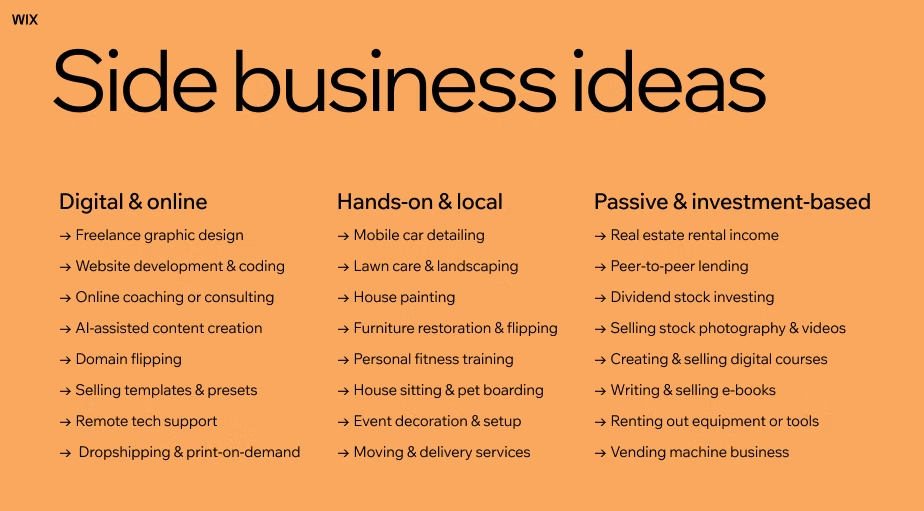
Many Americans start with a side idea—freelancing, selling products online, consulting, or building digital tools. According to the U.S. Census Bureau, millions of new business applications are filed each year, with a significant portion originating as part-time ventures. Yet only a fraction evolve into structured, sustainable businesses.
The difference isn’t luck or even raw talent. It’s discipline, clarity, and execution. Founders who succeed don’t just “grow”—they deliberately transition from informal activity to formal systems. That transition is where most people stall.
This article breaks down how successful founders make that leap—and how you can do the same.
1. Validate Before You Build
A common mistake is investing too much time and money before confirming demand. Experienced founders start with validation, not scale.
Instead of asking, “Is this a good idea?”, they ask:
- “Will people pay for this?”
- “What problem does this solve right now?”
Example:
A marketing consultant in Texas started offering LinkedIn optimization as a side service. Instead of building a full agency, she tested demand by offering a limited package to her network. Within two months, she had 15 paying clients—clear proof of demand before expansion.
Practical validation methods:
- Sell a simplified version of your product or service
- Use landing pages with clear calls to action
- Offer pre-orders or pilot programs
- Conduct customer interviews focused on pain points
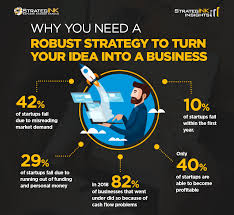
CB Insights reports that 42% of startups fail due to lack of market need—a risk that can be reduced significantly with early validation.
2. Move From Informal Work to Defined Offers
Side ideas often start loosely—pricing varies, scope changes, and processes are inconsistent. Structured businesses, by contrast, rely on clear, repeatable offers.
Successful founders define:
- What exactly they sell
- Who it’s for
- What outcomes customers can expect
- How it’s delivered
Example:
A freelance web designer transitions from “custom websites” to:
- Starter package: $2,000, 2-week delivery
- Growth package: $5,000, includes SEO setup
- Premium package: $10,000, includes ongoing support
This clarity simplifies sales, improves consistency, and enables scaling.
3. Build Systems Early—Not Later
One defining difference between side projects and structured businesses is systems. Systems reduce reliance on constant decision-making and allow for consistency.
Founders who succeed early begin documenting:
- Client onboarding steps
- Sales processes
- Delivery workflows
- Customer communication templates
Why this matters:
Without systems, growth leads to chaos. With systems, growth becomes manageable.
Example:
An e-commerce seller in California used spreadsheets initially. As orders increased, fulfillment errors rose. By implementing inventory management software and standardized packaging workflows, errors dropped and customer satisfaction improved.
4. Separate Finances Immediately
One of the clearest markers of a real business is financial separation.
Successful founders:
- Open a dedicated business bank account
- Track income and expenses consistently
- Set aside money for taxes
- Understand basic cash flow
According to the IRS, improper recordkeeping is one of the most common issues among small business owners.
Practical steps:
- Use accounting tools like QuickBooks or Wave
- Pay yourself a consistent amount when possible
- Monitor monthly profit, not just revenue
Example:
A freelance writer earning $3,000/month may feel profitable—but after taxes, software, and marketing costs, actual profit may be closer to $1,800. Structured tracking makes this visible.
5. Focus on Repeatability, Not Just Growth
Growth alone isn’t the goal—repeatable growth is.
Successful founders ask:
- Can this process be repeated reliably?
- Can someone else eventually do this?
- Are results consistent across customers?
If the answer is no, the business isn’t ready to scale.
Example:
A social media manager manually customized every client strategy. While effective, it limited growth. By creating a core framework with customizable elements, she reduced workload and increased capacity.
6. Shift From “Doing Everything” to Strategic Prioritization
Side hustlers often juggle everything—marketing, sales, operations, customer service. Structured business owners prioritize what actually drives growth.
They focus on:
- Revenue-generating activities
- High-impact improvements
- Delegation opportunities
Key shift:
From being busy → to being effective
Example:
A small online store owner spent hours designing new products but neglected marketing. By reallocating time toward email campaigns and partnerships, sales increased without adding new inventory.
7. Build Credibility Through Consistency
Trust is essential in the U.S. market, especially for new businesses. Successful founders build credibility through consistent, professional execution.
This includes:
- Reliable communication
- Transparent pricing
- Clear expectations
- Strong customer experience
Example:
A home services business that consistently shows up on time, communicates clearly, and follows up after service builds more long-term value than one offering lower prices but inconsistent service.
According to PwC, 73% of consumers say customer experience is a key factor in purchasing decisions.
8. Formalize the Business Structure
At a certain point, structure becomes legal as well as operational.
Founders typically move toward:
- Registering an LLC or corporation
- Obtaining necessary licenses
- Setting up contracts
- Protecting intellectual property
This step:
- Reduces personal liability
- Improves credibility
- Enables access to funding and partnerships
Example:
A freelance consultant transitioning to an LLC can sign larger contracts, work with corporate clients, and separate personal risk from business operations.
9. Invest in Learning What Matters
Successful founders don’t chase every trend. They focus on learning skills that directly impact their business.
High-value areas include:
- Sales and negotiation
- Financial management
- Customer acquisition
- Leadership and delegation
Example:
A founder who learns how to close sales effectively can increase revenue faster than one who spends months refining a product with no buyers.
10. Think in Terms of Longevity, Not Just Income
A side idea often starts as a way to earn extra income. A structured business is built for longevity.
This means:
- Planning for sustainability
- Avoiding burnout
- Building scalable processes
- Creating long-term value
Example:
A consultant working 60 hours/week may earn well but lacks sustainability. By building a small team and standardized offerings, workload becomes manageable and growth becomes stable.
Frequently Asked Questions
1. When should I turn my side hustle into a business?
When you see consistent demand, predictable income, and a clear opportunity to grow with structure.
2. Do I need to register a business right away?
Not immediately, but once revenue becomes consistent or risk increases, formal registration is recommended.
3. How much money do I need to start?
Many structured businesses start with minimal capital, especially service-based ones. Focus on revenue generation first.
4. What’s the biggest mistake new founders make?
Skipping validation and building too much before confirming demand.
5. How do I know if my idea is scalable?
If it can be delivered consistently, repeated efficiently, and eventually handled by others.
6. Should I quit my job to focus on my business?
Only when income is stable enough to reduce financial risk.
7. What tools should I use early on?
Basic tools for accounting, communication, and project management are sufficient initially.
8. How do I find my first customers?
Leverage your existing network, offer pilot services, and focus on solving specific problems.
9. Is it better to grow fast or slow?
Sustainable, controlled growth is typically more stable and less risky.
10. What defines a “structured” business?
Clear processes, consistent revenue, defined offerings, financial discipline, and legal structure.
Designing a Business That Can Stand on Its Own
The transition from side idea to structured business is less about scale and more about clarity. Successful founders don’t rush—they build deliberately. They validate demand, define their offers, implement systems, and prioritize sustainability over short-term wins.
What emerges isn’t just a larger version of the side hustle—it’s a fundamentally different entity. One that operates independently of constant improvisation and is capable of long-term growth.
Key Insights at a Glance
- Validate demand before investing heavily
- Define clear, repeatable offers
- Build systems early to support growth
- Separate finances to understand real profitability
- Focus on consistency and customer experience
- Prioritize high-impact activities
- Transition to formal structure at the right time
- Invest in practical, revenue-driving skills
- Build for sustainability, not just income